Air track mats are versatile training tools, but not all are created equal. Whether you’re a professional gymnast, a water sports enthusiast, or a parent setting up home workouts, the use case dictates what features matter most. In this guide, we’ll analyze three key scenarios—gym training, water activities, and home use—to help you make an informed choice.
Table of Contents
- Why Use Case Matters for Air Track Mats
- Gym Air Track Mats: Prioritizing Durability & Stability
- Water Air Track Mats: Focus on Waterproofing & Buoyancy
- Home Air Track Mats: Emphasizing Portability & Safety
- Key Differences: Gym vs Water vs Home Mats (Table)
- Scenario-Specific Buying Tips
- Conclusion
1. Why Use Case Matters for Air Track Mats
Air track mats encounter a wide range of challenges depending on the setting. In a gym, a mat has to withstand daily high-impact friction from intense training sessions. In a water environment, it battles against moisture, the risk of mold, and the need to stay afloat. And in a home setting, the mat needs to fit comfortably in small spaces while ensuring safety. Generic, "one-size-fits-all" mats often fall short in meeting these distinct demands. By choosing a mat that aligns with your primary use case, you can avoid overspending on unnecessary features or skimping on crucial ones that your specific activity requires.
2. Gym Air Track Mats: Prioritizing Durability & Stability
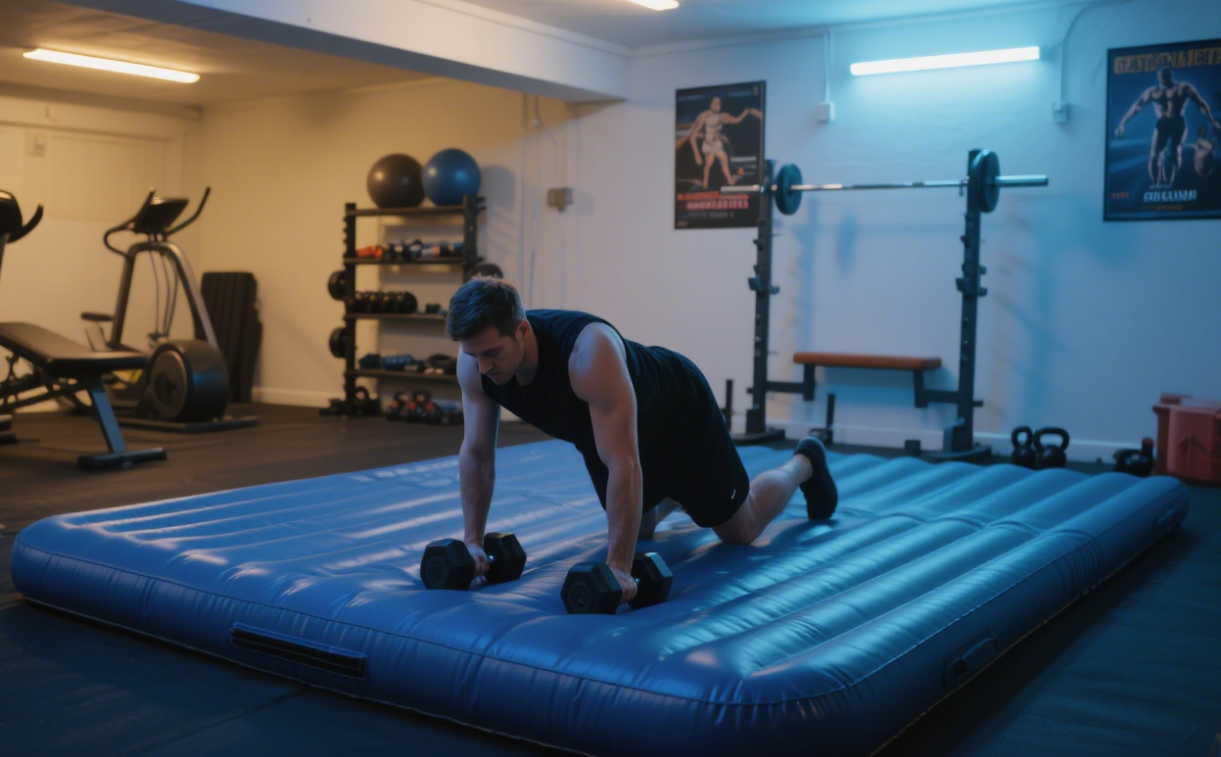
Gym Use Case Overview
Gyms are dynamic, high-intensity spaces where air track mats serve as essential training tools. They accommodate a diverse range of activities, from executing intricate gymnastics skills like backflips and corkscrews to performing power-packed exercises such as box jumps and plyometric drills. Given the frequent and rigorous use in these settings, gym air track mats must be built to last. Crucial features include superior wear resistance to withstand continuous floor contact and friction, as well as robust stability to maintain a secure surface during complex maneuvers—minimizing the risk of slips, wobbles, and potential injuries.
Critical Specs for Gym Mats
- Material: High-density PVC or TPU with anti-tear coatings (tested for 500+ hours of friction).
- Thickness: 4–6 inches (10–15cm) for joint protection during heavy landings.
- Width: 3–4ft (0.9–1.2m) to reduce lateral movement.
Who & What They’re For
- Users: Professional gymnasts, gym coaches, or training clubs.
- Moves: Consecutive backflips, full twists, and power jumps.
3. Water Air Track Mats: Focus on Waterproofing & Buoyancy

Water Use Case Overview
Water environments (lakes, pools, or beach camps) require mats to resist moisture, mold, and sinking. Portability is also key—most users need to fold them into backpacks for travel.
Critical Specs for Water Mats
- Material: Dual-layer waterproof PVC with heat-sealed seams (IPX6+ water resistance).
- Buoyancy: Low-density foam or air chamber designs to stay afloat.
- Portability: Thinner (3–5 inches/7.6–12.7cm) and lighter (<10kg) for easy packing.
Who & What They’re For
- Users: Water yoga practitioners, camping families, or paddleboard enthusiasts.
- Moves: Basic flips, balance drills, or casual floating.
4. Home Air Track Mats: Emphasizing Portability & Safety
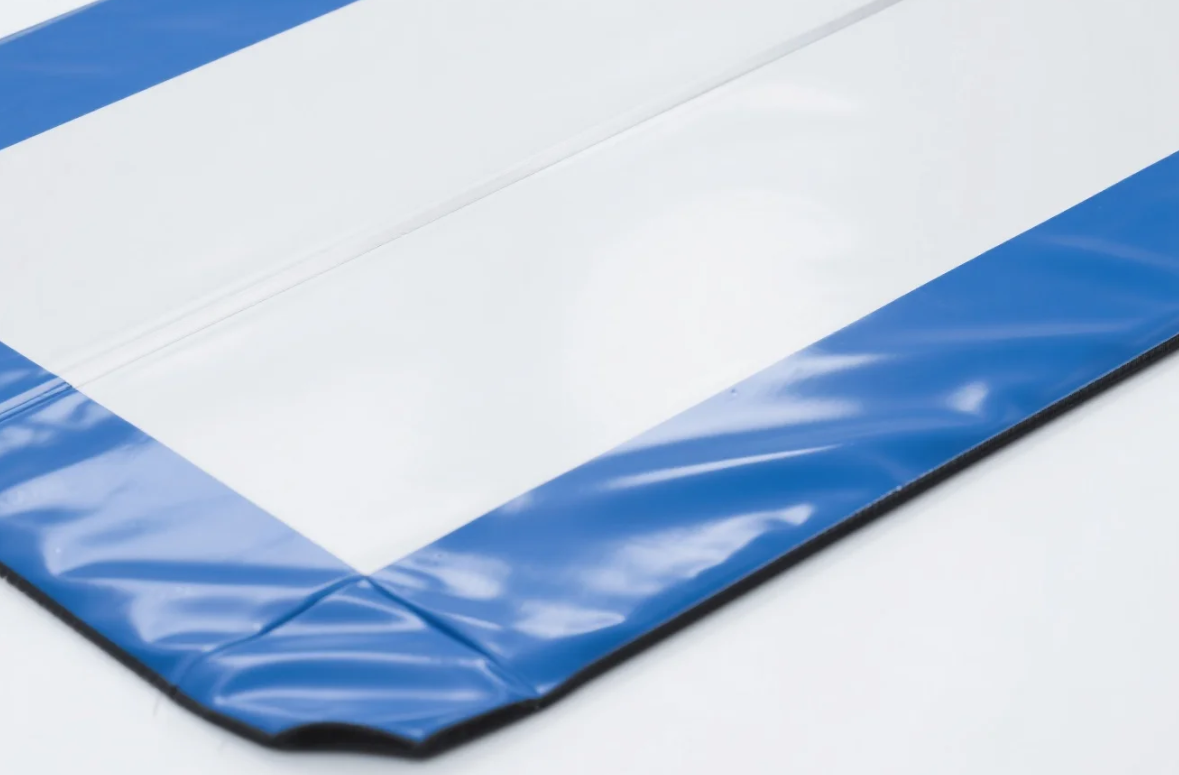
Home Use Case Overview
When it comes to home setups, the focus is on small-space storage and safety, especially if children are using the mat. Home air track mats are typically used for low-intensity training, such as basic rolls, simple flips, and stretching exercises. They need to be easy to store away when not in use and provide a safe surface for users of all ages.
Critical Specs for Home Mats
- Material: Food-grade, odor-free PVC is the best choice for home air track mats. This material is certified by reputable organizations like SGS or ASTM for child safety, ensuring that it is non-toxic and safe for use by children.
- Size: Home mats are usually shorter, measuring 10–15ft (3–4.6m), and narrower, with a width of 2–3ft (0.6–0.9m). This makes them more suitable for fitting into balconies, living rooms, or other small spaces in the home.
- Weight: Ultra-lightweight, with a weight of less than 5kg, home mats are easy for one person to handle and move around. This portability allows for convenient storage and setup.
Who & What They’re For
- Users: Beginners, kids, and parents doing parent-child workouts are the typical users of home air track mats. These mats provide a safe and fun way for individuals to engage in light exercise and physical activity at home.
- Moves: Home mats are designed for basic rolls, simple flips, and stretching. They offer a comfortable and supportive surface for these low-intensity activities.
5. Key Differences: Gym vs Water vs Home Mats
6. Scenario-Specific Buying Tips
- Gym Buyers: When shopping for a gym air track mat, look for mats with "abrasion resistance" certifications, such as EN 16663. Avoid thin or narrow models, as they are more likely to wear out quickly under the high-intensity use in a gym.
- Water Buyers: For water air track mats, check for "seam integrity" tests. Make sure the mat can withstand 24 hours of submersion without any water leakage. Also, avoid non-foam mats, as they are likely to sink in the water.
- Home Buyers: Home buyers should prioritize "child-safe" materials, ensuring that the mat is free of harmful substances like phthalates. Additionally, avoid overly thick mats, as they can take up too much space in a small home environment.
7. Conclusion
Choosing the right air track mat ultimately comes down to answering one question: What's your primary use case? Gym mats need to be durable, water mats must be waterproof and buoyant, and home mats should be portable and safe. By matching the specifications of the mat to your specific scenario, you can maximize your training efficiency and avoid common mistakes. Whether you're training professionally, enjoying water activities, or practicing at home, the key is to prioritize your use case over the specs. This way, you'll be able to find the best air track mat for your gym, water, or home needs.


![What Is an Air Track in Gymnastics? [Complete Guide]](http://ueeshop.ly200-cdn.com/u_file/UPBF/UPBF509/2605/13/photo/WhatIsanAirTrackinGymnastics.png)


