The global inflatable dock market is dominated by key exporters, especially inflatable dock exporters in China. Understanding the top exporting countries and how to safely import from them is critical for B2B buyers seeking reliable, cost-effective solutions. In this article, I will reveal the leading exporters, detail the import process to avoid common pitfalls, and share expert tips to secure your supply chain for long-term success.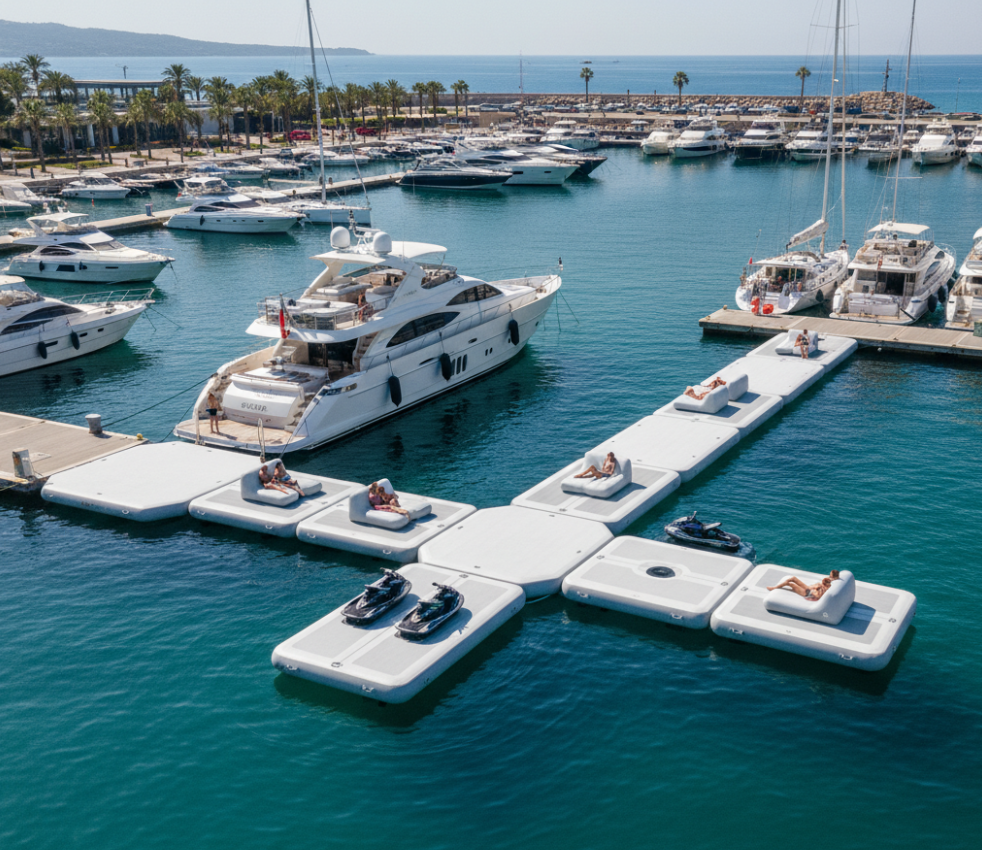
When it comes to sourcing inflatable docks for commercial or large-scale uses, identifying a reliable inflatable dock exporter is paramount. An inflatable dock exporter is typically a manufacturer or distributor specializing in producing and shipping these portable, robust docks globally. For B2B buyers like us, working with a reputable exporter ensures quality, compliance with international standards, and consistent supply.
Among the various exporting hubs, inflatable dock exporter China stands out due to its vast manufacturing capabilities, competitive pricing, and deep expertise. However, buyers must understand the unique characteristics and challenges of dealing with exporters from different countries to make informed procurement decisions.
This introduction sets the stage for exploring who the top exporters are, why China has emerged as a leader, and how best to navigate the complexities of international import logistics for inflatable docks. As someone invested in efficient, risk-mitigated procurement, you’ll find actionable insights here tailored specifically for B2B sourcing professionals.
In 2025, China stands out as the leading inflatable dock exporter worldwide, accounting for about 40% of global shipments. This dominance is backed by China's expansive manufacturing capacity, cost advantages, and experience in meeting large-scale B2B orders efficiently. The United States follows as the second-largest exporter, noted for innovative, high-quality products tailored for developed markets. Mexico, South Korea, Germany, and Taiwan also contribute significantly, offering export options that balance quality and price depending on buyers' specific needs.
| Rank | Country | Market Share / Shipments |
|---|---|---|
| 1 | China | Approx. 40%, 1,044 shipments |
| 2 | United States | Approx. 29%, 763 shipments |
| 3 | Mexico | Approx. 5%, 138 shipments |
| 4 | South Korea | Notable export presence |
| 5 | Germany | Growing export reputation |
| 6 | Taiwan | Recognized for quality |
These countries vary in their production capabilities, technology use, certification adherence, and export logistics. For B2B buyers, China’s inflatable dock exporter advantages—like competitive pricing and large inventory—make it a compelling choice for sourcing. Exploring these distinctions will help in selecting the best supplier to meet procurement goals.
China’s dominance as the top inflatable dock exporter is driven by several compelling advantages that directly benefit B2B buyers focused on quality, cost efficiency, and supply reliability.
Manufacturing Scale and Advanced Technology
China has developed a massive manufacturing ecosystem over decades, supported by advanced production technologies and automation. Leading Chinese manufacturers such as Hiseadock and Qingdao Colton Yacht Co., Ltd., employ state-of-the-art materials like high-density PVC and innovative modular designs to produce durable, customizable inflatable docks. This scale allows for large volume orders at competitive prices without compromising quality.
Cost Efficiency and Competitive Pricing
The combination of low labor costs, streamlined supply chains, and abundant raw materials enables inflatable dock exporter China to offer some of the most affordable pricing globally. For large B2B procurement, this pricing advantage translates into substantial savings, enabling buyers to stretch their budgets further while acquiring reliable products.
Regulatory Compliance and Certifications
Top manufacturers from China understand the importance of meeting international quality standards and certifications, including ISO and environmental compliance. Many exporters catering to global markets provide documentation and product testing services that reassure buyers about safety and durability, critical for commercial-grade inflatable docks.
Industry Expertise and Consultation Services
Some Chinese exporters go beyond manufacturing by offering customized solutions and consultation services tailored for yacht clubs, marinas, and commercial fleets. For instance, Deli Docks provides expert design consultations in addition to its products, ensuring buyers get docks suited to their specific settings and operational needs.
Logistics and Export Experience
China’s well-established export infrastructure and maritime ports facilitate efficient global shipping. Experienced exporters streamline the complex logistics of international delivery, customs clearance, and packaging—key pain points for B2B importers buying inflatable docks overseas.
In summary, China’s combination of manufacturing capacity, cost competitiveness, certification adherence, and export expertise makes it the go-to destination for B2B buyers sourcing inflatable docks. Leveraging partnerships with trustworthy Chinese exporters enables procurement professionals to secure high-quality, affordable docks while mitigating risks tied to cross-border trade.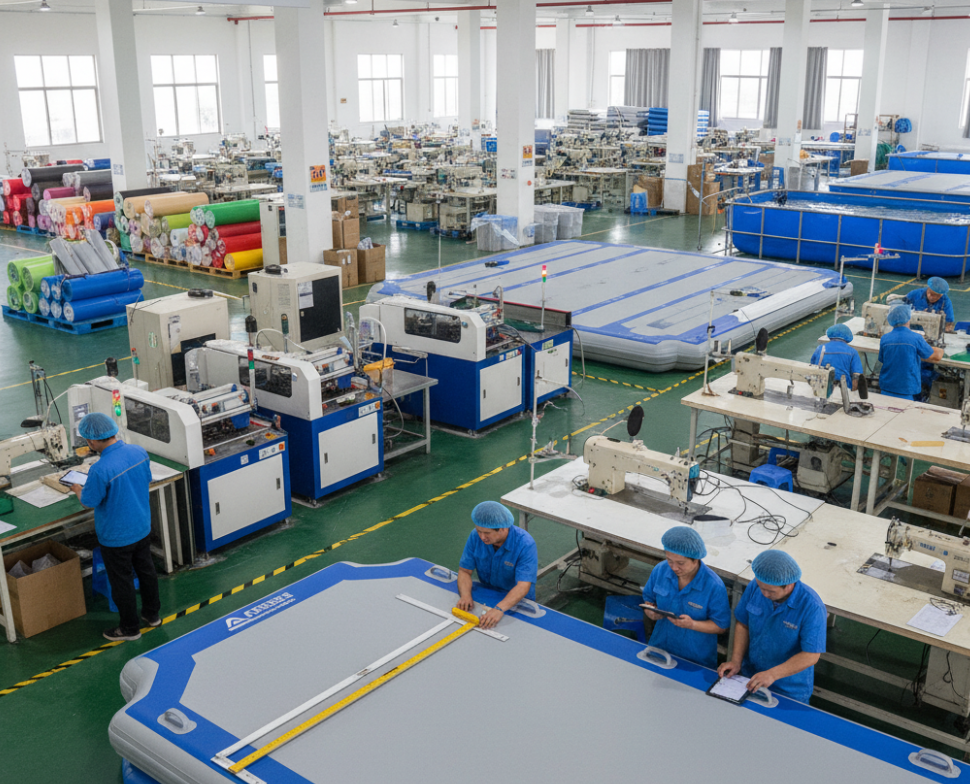
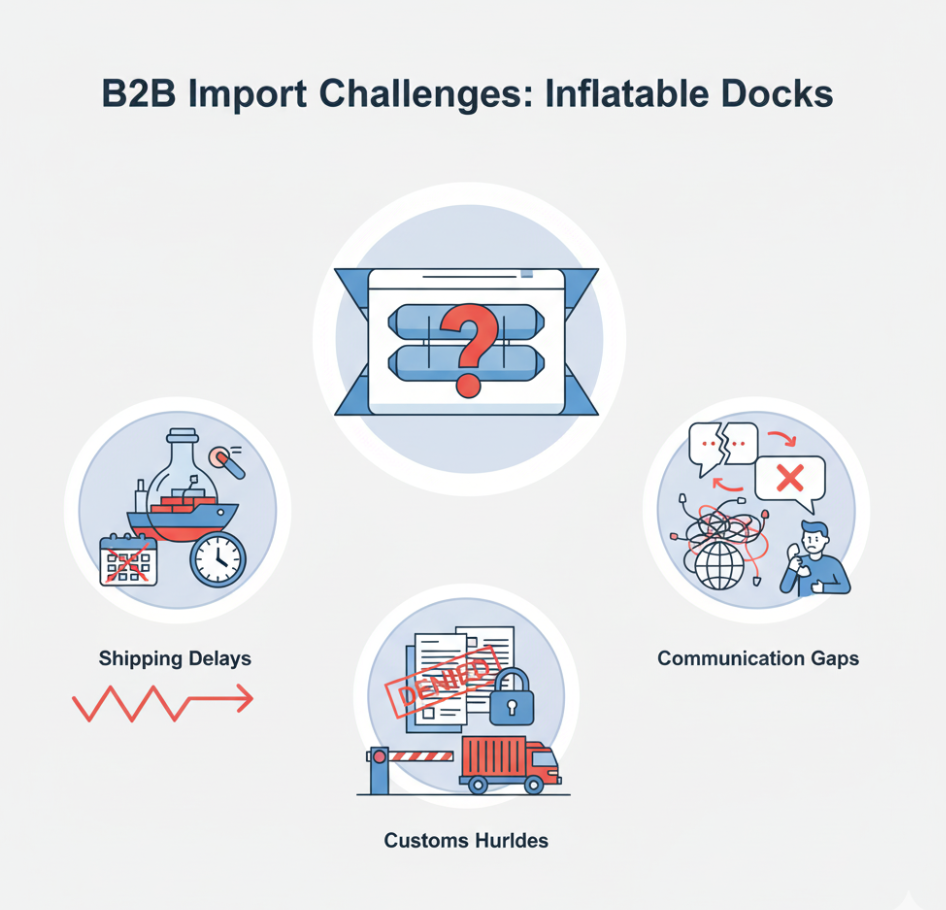
Importing inflatable docks, especially in bulk for commercial use, involves several challenges that B2B buyers must be aware of to avoid costly mistakes. From my experience working through such procurement, here are the critical pain points:
Quality Control and Product Specifications
Ensuring the inflatable docks meet required technical specifications and quality standards is a major concern. Variability between exporters, especially those outside well-regulated markets, can lead to products that don’t match promised durability, material thickness, or load capacity necessary for commercial fleets or rental businesses. Misalignment here results in costly returns or reputational damage.
Shipping Delays and Logistics Risks
International shipping inherently involves complex logistics. Delays at ports, container shortages, customs clearance issues, or damage during transit can disrupt project timelines significantly. Finding an exporter experienced in handling exports smoothly and communicating proactively about shipping status directly impacts supply chain reliability.
Customs and Import Tax Complexities
Navigating customs regulations and classifications for inflatable docks can be tricky. Incorrect tariff codes or lack of proper documentation may lead to customs hold-ups or unexpected fees. Understanding applicable import duties and compliance with environmental or safety regulations in the target market is essential.
Communication Barriers and Trust Issues
Working with overseas exporters, especially those based in China, sometimes involves language barriers and cultural differences affecting negotiation clarity and contract details. Transparency in product details, lead times, and payment terms helps build confidence—crucial for B2B relationships with multiple decision-makers.
Payment and Contract Terms
Risks around advances, letters of credit, or milestone payments require careful contract structuring. B2B buyers often need mechanisms that protect their interests while enabling smooth transactions, particularly for large orders or custom inflatable docks.
Knowing these challenges upfront allows me and other B2B buyers to implement a structured approach to sourcing—prioritizing verified exporters, clear contracts, periodic quality checks, and reliable logistics partners.
Importing inflatable docks safely requires a clear, methodical process to minimize risks, control quality, and ensure smooth delivery. Here’s a step-by-step approach that I follow to protect my procurement interests and guarantee consistent supply:
Step 1: Select a Reliable Inflatable Dock Exporter
Begin by verifying the exporter’s credentials, manufacturing capabilities, and track record with B2B clients. For example, inflatable dock exporter China offers a broad pool of certified suppliers. Check for ISO certifications, product compliance documents, and reviews from other businesses. Request detailed product specifications to ensure they match your technical requirements.
Step 2: Confirm Product Specifications and Request Samples
Obtain detailed product data sheets and certifications such as ISO, CE, or ASTM to verify quality. Where possible, ask for a physical sample or smaller pilot shipment. Inspect the sample for material durability, size accuracy, and design integrity to avoid surprises on full orders.
Step 3: Agree on Contract Terms and Payment Conditions
Clearly define payment terms, deliverables, and penalties for delays or non-compliance in a written contract. Use payment instruments suited for international trade risk mitigation—like letters of credit or escrow accounts. Agree on Incoterms (such as FOB or CIF) that specify liability and cost-sharing for shipping and insurance.
Step 4: Arrange Logistics and Shipping with a Trusted Freight Forwarder
Partner with experienced freight forwarders who specialize in international B2B shipments. Monitor container loading and shipping schedules proactively. Stay informed throughout the shipment’s transit to anticipate and resolve delays or damage issues quickly.
Step 5: Prepare and File Import Documentation
Ensure all necessary documents are correctly prepared and submitted before shipment arrival. These typically include commercial invoice, packing list, bill of lading, certificate of origin, and product compliance certificates. Timely and accurate documentation expedites customs clearance and avoids fines.
Step 6: Manage Customs Clearance and Duties
Use a licensed customs broker to facilitate entry into your country, ensuring proper classification of inflatable docks under tariff codes. Understand import duties, taxes, and possible exemptions. If needed, apply for bonded warehousing to delay customs release while preparing your internal logistics.
Step 7: Inspect Goods Upon Arrival and Handle Claims if Necessary
Inspect cargo immediately at port or warehouse for quantity and quality compliance against contract terms. Document any damages or discrepancies for claims processing with insurers or exporters. Establish clear procedures with your supplier on return, repair, or compensation.
Throughout these steps, leveraging trusted exporters like those in China, and utilizing robust logistics and customs expertise are critical to mitigate typical B2B pain points related to inflatable docks sourcing. Applying these best practices ensures your procurement not only secures top-quality inflatable docks but also maintains predictable supply chain performance.
For B2B buyers like me, building strong partnerships with inflatable dock exporters is essential for reliable sourcing and long-term supply. Here are some best practices I've found effective when connecting and working with exporters, especially from China:
Establish Clear and Consistent Communication
Effective communication is the foundation of a successful B2B relationship. I make sure to set clear expectations upfront regarding product specifications, delivery timelines, and payment terms. Using multiple communication channels such as email, video calls, and dedicated messaging apps helps reduce misunderstandings. Requesting regular updates on production status and logistics keeps me informed and ready to address any issues early.
Verify Exporter Credentials and References
Before committing, I always verify the exporter’s certifications, factory audits, and references from other B2B buyers. Visiting the factory or arranging a virtual factory tour provides valuable insights into their production capabilities and quality control processes. Transparency builds trust and ensures the supplier meets both product and compliance standards.
Leverage Technology for Dock and Shipment Visibility
Using digital tools and platforms that provide real-time tracking and dock-to-dock visibility improves coordination. I often ask exporters or logistics partners if they offer shipment tracking portals or API access to monitor cargo movements. This visibility allows for proactive problem-solving and more accurate inventory planning.
Facilitate Dock Scheduling and Logistics Coordination
Good exporters help coordinate loading and dock scheduling effectively to reduce delays. Providing exporters and carriers access to booking available shipping slots minimizes bottlenecks at ports. Clear instructions on packaging and handling further ensure smooth cargo loading and unloading.
Negotiate Flexible Contract Terms
Contracts with clear milestones and penalties for delays or quality issues protect our interests. I also request provisions for third-party inspections or certifications at various production stages. This flexibility mitigates risks without compromising supplier relationships.
Cultivate Long-Term Partnerships
Rather than treating transactions as one-offs, I focus on building mutually beneficial long-term relationships. Consistent orders, clear feedback, and open communication help suppliers prioritize our needs and tailor solutions—whether custom branding or batch size adjustments.
Incorporating these best practices helps me reduce risks related to import delays, quality deviations, and misunderstandings, ensuring a steady, predictable supply of high-quality inflatable docks.
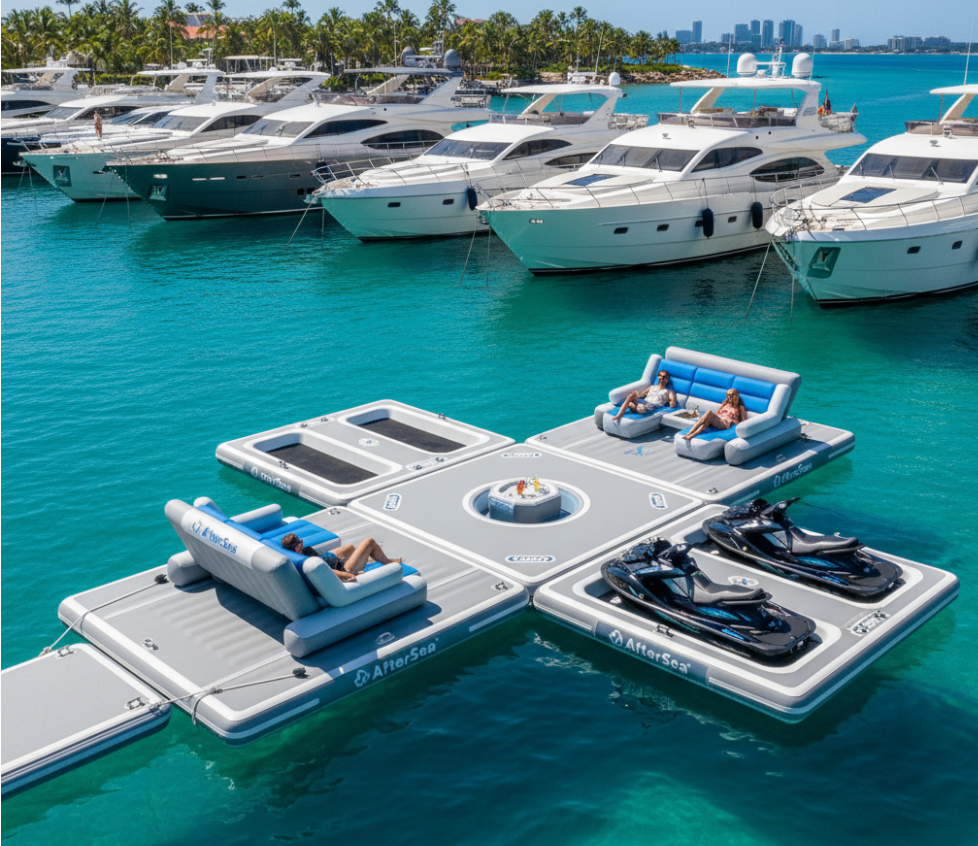
When sourcing inflatable docks for commercial applications, I personally trust Aftersea’s commercial-grade inflatable docks for their superior quality, customization options, and proven durability. Here’s why these docks matter for B2B buyers like me:
Commercial-Grade Construction and Materials
Aftersea’s docks are made of high-density, UV-resistant drop-stitch PVC material that provides exceptional rigidity and durability. This technology ensures the docks withstand heavy use and harsh environmental conditions such as salt water and intense sunlight over extended periods—critical for commercial or fleet operations.
Design Features for Stability and Safety
The docks come with reinforced seams, non-slip EVA footpads, and multiple stainless steel D-rings for secure anchoring and easy attachment to boats or shorelines. Their thickness and structural design allow for stability when supporting multiple people, equipment, or recreational activities.
Flexible Sizes and Customization
Aftersea offers a range of sizes and modular configurations to fit various business needs—from small jet ski lounger docks to large yacht fleet platforms. Custom branding options and accessory mounts enable businesses to tailor docks to their operational and marketing requirements.
Easy Deployment and Maintenance
With rapid inflation pumps and compact storage bags, these inflatable docks are designed for quick setup and teardown, saving time in operations. They also require minimal maintenance, which reduces downtime and lowers overall operational costs.
Ideal for Diverse Commercial Uses
Whether for marinas, rental businesses, event organizers, or waterfront establishments, Aftersea’s inflatable docks blend professional-grade performance with aesthetic appeal. This combination helps businesses enhance customer experience while ensuring durability.
For B2B buyers seeking a reliable, long-term inflatable dock supplier, Aftersea stands out as a trusted partner who understands commercial demands and offers superior product value.
Explore our full range of inflatable docks to find solutions tailored to your fleet or business.
In this comprehensive guide, I’ve shared key insights on the top inflatable dock exporters, with a special focus on inflatable dock exporter China, and practical advice for B2B buyers looking to import safely and effectively. From understanding the global market landscape to overcoming import challenges, and leveraging trusted suppliers like Aftersea, these strategies collectively help streamline procurement for commercial-grade inflatable docks.
By focusing on verified exporters, detailed contract terms, and clear communication, B2B buyers can mitigate risks related to quality, shipping, and customs—ensuring a predictable supply chain. Partnering with manufacturers who offer customizable, durable products, like Aftersea’s commercial-grade inflatable docks, further enhances operational value and business outcomes.
Q1: Who are the main exporters of inflatable docks worldwide?
China leads with about 40% of global shipments, followed by the United States, Mexico, South Korea, Germany, and Taiwan. Choosing an exporter depends on factors such as price, certification, and shipping convenience.
Q2: How do I verify the quality of inflatable docks before import?
Request product certifications (ISO, CE, ASTM), detailed technical specs, and samples. Conduct factory audits or virtual inspections when possible to ensure compliance with commercial-grade standards.
Q3: What are common logistical challenges when importing inflatable docks?
Delays at ports, customs clearance issues, inaccurate documentation, and shipping damages are common. Mitigate these by working with experienced freight forwarders and customs brokers.
Q4: How can I reduce customs and import tax issues?
Ensure correct tariff codes and documentation before shipment. Use professional customs brokers to navigate regulations and explore bonded warehousing to ease cash flow.
Q5: What payment terms are advisable for B2B buyers?
Use letters of credit, milestone payments, or escrow services to protect transactions. Clear contract terms with penalties for delays or quality issues support risk management.
Q6: Why choose Aftersea’s inflatable docks?
Aftersea offers durable, commercial-grade docks made from high-density materials, customizable for various business needs, with easy setup and low maintenance—ideal for fleet and commercial use.


![What Is an Air Track in Gymnastics? [Complete Guide]](http://ueeshop.ly200-cdn.com/u_file/UPBF/UPBF509/2605/13/photo/WhatIsanAirTrackinGymnastics.png)


