How do you evaluate a supplier's actual production capacity for inflatable mats?
To accurately evaluate a Chinese supplier's production capacity for inflatable wrestling mats and Air Tracks, you must compare their Maximum Monthly Output against their Current Utilization Rate. A reliable B2B supplier should operate at around 70-80% capacity, leaving a 20-30% buffer to accommodate your Minimum Order Quantity (MOQ) and any sudden market demand increases. You can verify their stated capacity by conducting third-party factory audits, analyzing their machine-to-worker ratio (specifically high-frequency welding machines), and reviewing their ISO 9001 Quality Management System (QMS) records. Never partner with a factory operating at 100% capacity, as this inevitably leads to delayed shipping and unauthorized subcontracting.
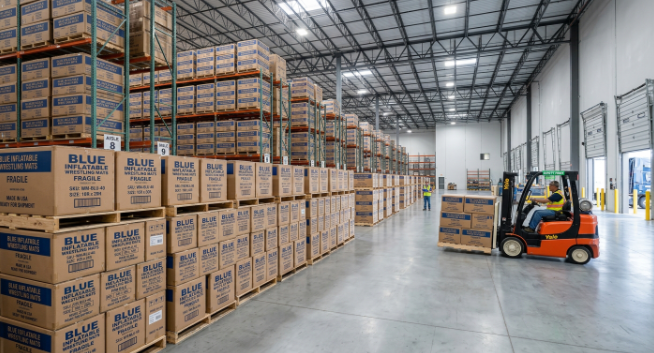
When importing B2B sports equipment, aligning your order volume with the factory's optimal output scale is critical. If your order is too small for a massive factory, your production will be constantly pushed back in favor of bigger clients. Conversely, if your order is too large for a small workshop, you risk severe delays in your Lead Time (LT).
To determine how much capacity you need, calculate your projected peak monthly sales volume and add a 20% safety margin. For example, if you anticipate selling 500 Air Tracks a month, you need a supplier whose available unbooked capacity exceeds 600 units monthly. This ensures that your Minimum Order Quantity (MOQ) is treated as a priority rather than an overwhelming burden.
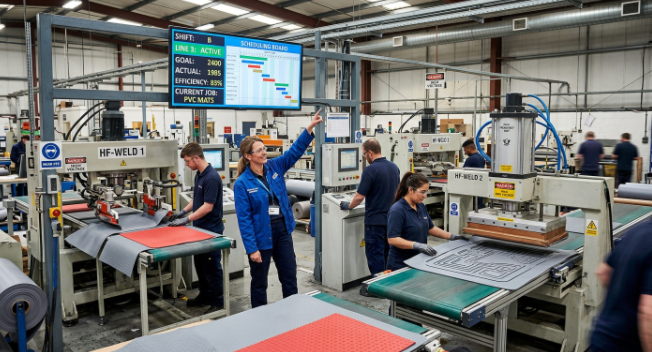
The sporting goods market is highly seasonal. Demand for gymnastics and MMA training equipment often spikes in Q3 and Q4 ahead of the holiday season and indoor winter training months. Therefore, your supplier's ability to scale up—known as capacity elasticity—is a vital metric.
A professional manufacturer handles sudden demand increases not by panic-hiring untrained temporary workers, but by optimizing machine run times, adding secondary shifts, and having pre-negotiated raw material (PVC and drop-stitch fabric) contracts in place.
If your marketing campaign goes viral and you suddenly need a rapid restock of premium items like the Inflatable wrestling mat, a supplier with true elasticity will have the automated cutting tables and high-frequency welders ready to absorb the 30-50% surge without sacrificing seam integrity or airtightness.
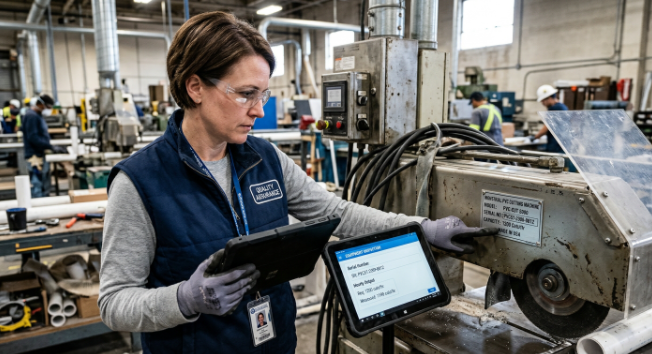
Unfortunately, it is common practice in international trade for suppliers to exaggerate their production capabilities to win your business. B2B buyers must rely on hard data rather than sales pitches.
Fact-based Claim: According to a supply chain report by Proxima, relying on unverified supplier capacity claims leads to a 40% increase in supply chain disruptions during peak retail seasons.
Here is how you objectively evaluate their claims:
| Verification Method | What You Request | What It Actually Reveals | Reliability |
|---|---|---|---|
| Machine Inventory Check | Photos/videos of high-frequency welders and cutting machines. | Machine output dictates capacity more than raw headcount in PVC manufacturing. | High (if verified via live video) |
| Third-Party Audit | Hire agencies like SGS or QIMA to perform a capacity audit^[1]. | Independent verification of actual production lines, worker count, and warehouse space. | Very High |
| QMS Documentation | ISO 9001 certification and recent production logs^[2]. | Proves they have standardized processes to handle large volumes consistently. | Medium (Logs can be forged; audits are better) |
| Material Storage | Video tour of their raw material warehouse. | If they don't hold buffer stock of drop-stitch PVC, they cannot handle sudden demand surges. | High |
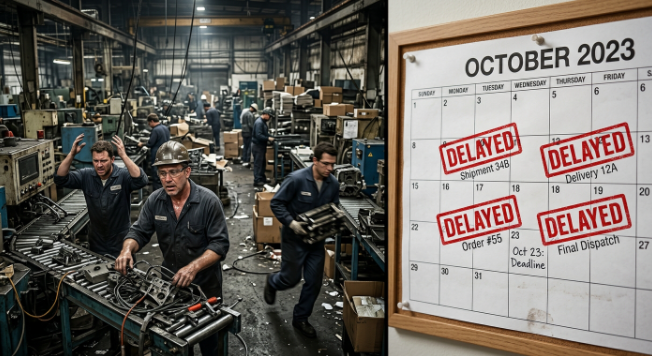
Partnering with an overbooked factory is one of the most dangerous risks in global sourcing. When a factory takes on more orders than their machines and workers can handle, a destructive domino effect occurs:
To protect your brand, always establish an Acceptable Quality Limit (AQL) penalty clause in your Purchase Order (PO) to legally bind the supplier to their stated capacity and delivery dates.
Test your supply chain evaluation skills!
1. What is the ideal capacity utilization rate you should look for in a stable B2B supplier?
2. How do professional factories primarily handle sudden demand increases for inflatable mats?
3. What is the most dangerous consequence of an overbooked factory?
Evaluating a Chinese supplier's actual production capacity is a non-negotiable step when importing inflatable wrestling mats for B2B distribution. Never take stated capacities at face value. By auditing their machine-to-worker ratios, requiring third-party verification, and ensuring they maintain a 20-30% buffer for demand surges, you safeguard your supply chain. Avoiding overbooked factories ensures your customers consistently receive airtight, premium-quality sports equipment on time, every time.
[^1]: SGS. (2024). Factory Audits and Supplier Verification. Retrieved from https://www.sgs.com/en/service-groups/factory-and-supplier-audits
[^2]: International Organization for Standardization (ISO). (2024). ISO 9001 Quality Management. Retrieved from https://www.iso.org/iso-9001-quality-management.html


