You can use inflatable mirror balls outdoors—but only if materials, coatings, seam construction, and the anchoring plan match your environment. The fastest path to a reliable result is to specify UV stabilization, thickness, and mounting hardware up front, and to validate with basic weathering documentation. If you also need tailored sizes or finishes, see customize inflatable mirror balls.
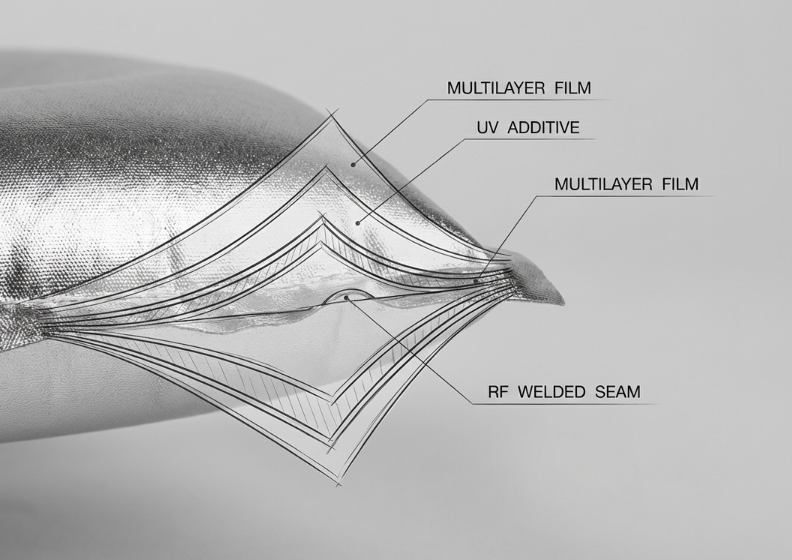
Key factors and what to specify on your purchase order:
| Factor | What to Ask For | Why It Matters |
|---|---|---|
| Base film | PVC or TPU film with stated thickness (e.g., 0.5–0.8 mm) and grade | Thickness and resin choice drive puncture resistance and low-temp flexibility (TPU often stays flexible in cold) |
| UV package | UV stabilizers/absorbers + HALS with test basis (ASTM D4329/ISO 4892) | Limits yellowing, haze, and brittleness from solar UV exposure[1][2] |
| Mirror finish | Type of metallized layer and topcoat/clear coat | The reflective look relies on a metallized film; a protective topcoat helps resist micro-scratches and UV haze |
| Seams | RF/heat-welded seams, seam tape or reinforcement on stress points | Strong, consistent seams resist creep and leaks outdoors[5] |
| Valves | Outdoor-rated inflation valve with cap and check | Reduces slow leaks and dust/water ingress during use |
| Hardware | Stainless steel D-rings/loops, reinforced tabs | Resists corrosion and tearing at anchor points |
| Operating window | Supplier-declared temp range and wind use guidance | Ensures pressure stability and safe anchoring during weather swings |
| Documentation | QC + weathering test summary (hours, method, results) | Lets you compare models objectively and plan replacement cycles[1][2] |
Pro tip: Ask the factory to share photos of the exact film roll labels and seam samples; it’s the fastest way to verify you’re getting the intended materials.
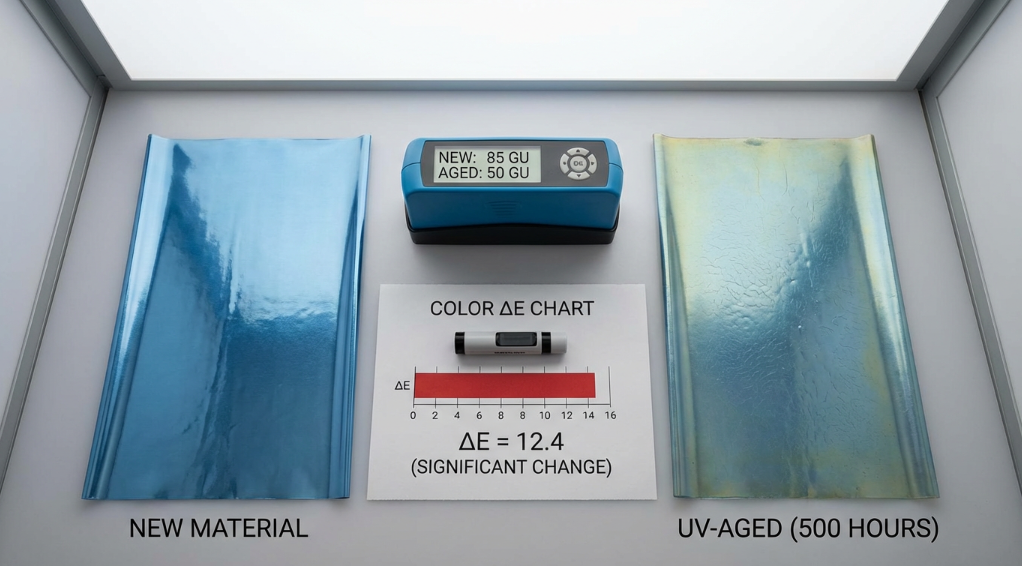
Standard indoor-grade PVC can discolor and embrittle outdoors over time; TPU generally maintains flexibility better at low temperatures, but both materials need a proper UV stabilization package for outdoor longevity. Look for:
Ask suppliers to provide a one-page weathering summary indicating the method, exposure hours, and pass/fail criteria. This avoids vague claims like “UV-proof.”
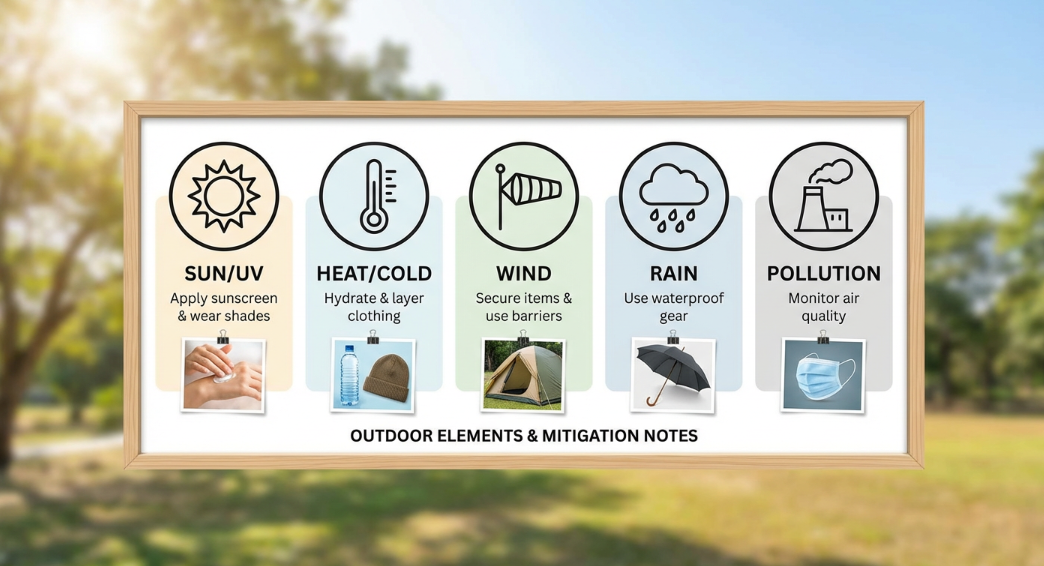
Typical outdoor stressors and how to manage them:
| Condition | Effect | Mitigation |
|---|---|---|
| Sun/UV | Haze, gloss loss, yellowing, embrittlement | Specify UV-stabilized film and clear coat; request ASTM/ISO UV test data[1][2] |
| Heat | Internal pressure rises; seam/valve stress | Do not over-inflate in the morning; recheck pressure in the afternoon; provide shade if ambient >35°C |
| Cold | Film stiffening; crease whitening | Choose TPU or flexible PVC grades; avoid folding when below supplier’s min temp |
| Wind | Dynamic load on anchors and seams | Use multiple stainless D-rings; distribute loads; define a max wind operating limit and deflate/store if exceeded |
| Rain/humidity | Slip risk, surface spotting | Microfiber cleaning; avoid harsh solvents; dry before storage |
| Dust/sand/salt | Abrasion, surface dulling, corrosion at hardware | Rinse with fresh water after coastal use; specify stainless hardware and protective caps |
Rule-of-thumb: plan a maintenance cycle (cleaning + pressure check) daily for multiday events and after any major weather changes.
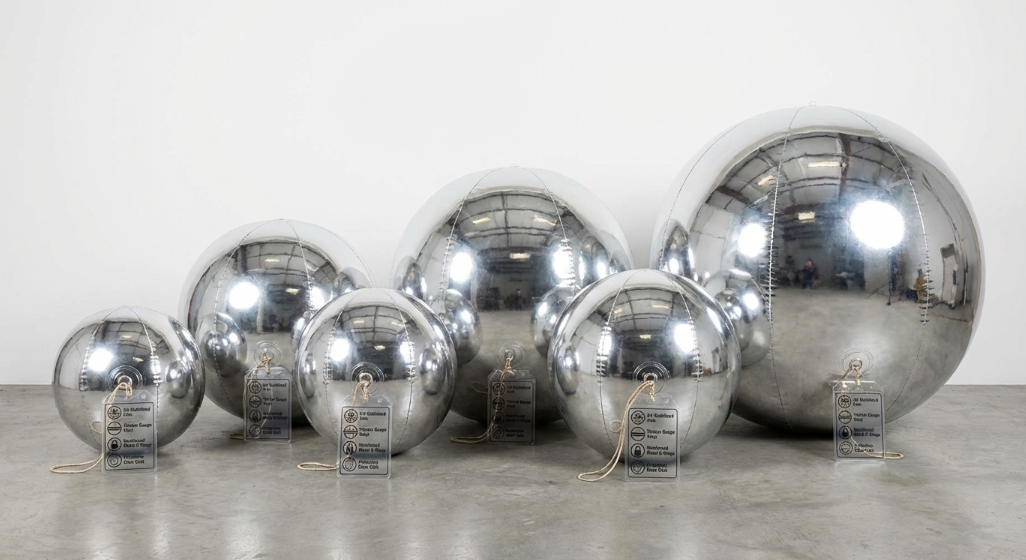
Yes. Ask your supplier for an “outdoor-rated” spec option that includes:
For long-term installations (months), consider a rotation plan (swap units) and schedule inspections to catch early haze or seam creep before a headline event.
Inflatable mirror balls can work outdoors when the spec matches the environment. Lock the materials (UV-stabilized film, protective finish), seam approach, and anchoring plan, and validate with standard weathering data. This keeps gloss high, seams tight, and timelines predictable. If you need a tailored outdoor spec with color or size changes, coordinate via customize inflatable mirror balls before production starts.
[1] ASTM D4329 — Standard Practice for Fluorescent UV Exposure of Plastics
https://www.astm.org/d4329
[2] ISO 4892-2 — Plastics — Methods of exposure to laboratory light sources — Xenon-arc lamps
https://www.iso.org/standard/77365.html
[3] Lubrizol — Estane TPU (Engineered Polymers) Outdoor/Weatherability Resources
https://www.lubrizol.com/Engineered-Polymers
[4] Teknor Apex — Vinyl (PVC) Compounds and Weatherable Formulations
https://www.teknorapex.com/vinyl
[5] Miller Weldmaster — RF/Heat Sealing of PVC/TPU for Industrial Fabrics
https://www.millerweldmaster.com/blog/rf-heat-sealing
[6] BASF — Tinuvin UV Absorbers and HALS for Plastics
https://plastics-rubber.basf.com/global/en/performance_additives/brands/tinuvin.html


![What Is an Air Track in Gymnastics? [Complete Guide]](http://ueeshop.ly200-cdn.com/u_file/UPBF/UPBF509/2605/13/photo/WhatIsanAirTrackinGymnastics.png)


