Inflatable air tracks have revolutionized gymnastics and tumbling training—offering portability, safety, and versatility unmatched by traditional foam mats. But with options ranging from entry-level to pro-grade models, choosing the right one can feel overwhelming.
This guide cuts through the noise. Whether you’re a home gymnast, coach, or gym owner, we’ll explain how to match your needs to the best inflatable air track type—covering design differences, key specs, and common pitfalls. By the end, you’ll know exactly which track to invest in.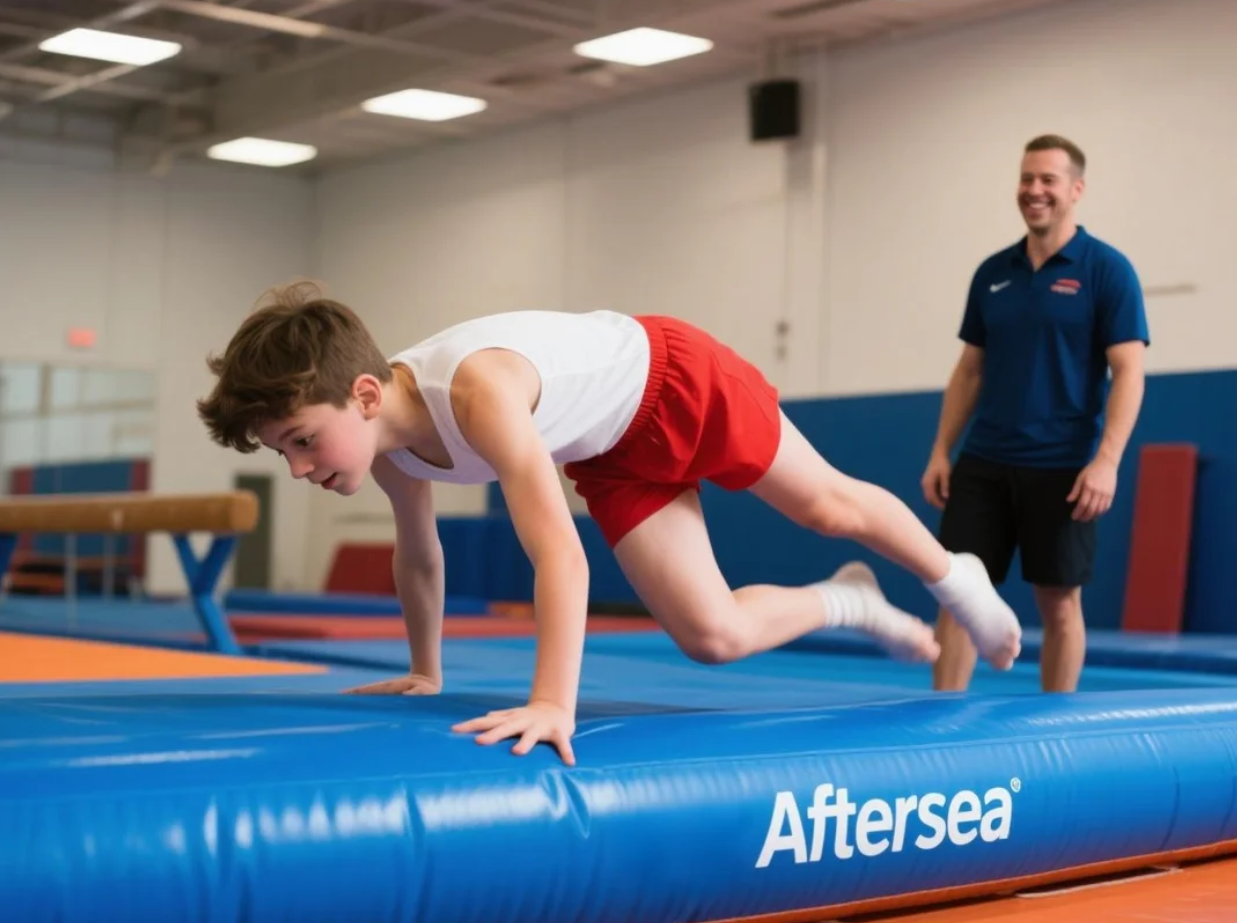
Not all inflatable air tracks are created equal. They’re designed to solve specific needs—so understanding their classification logic is the first step to smart shopping.
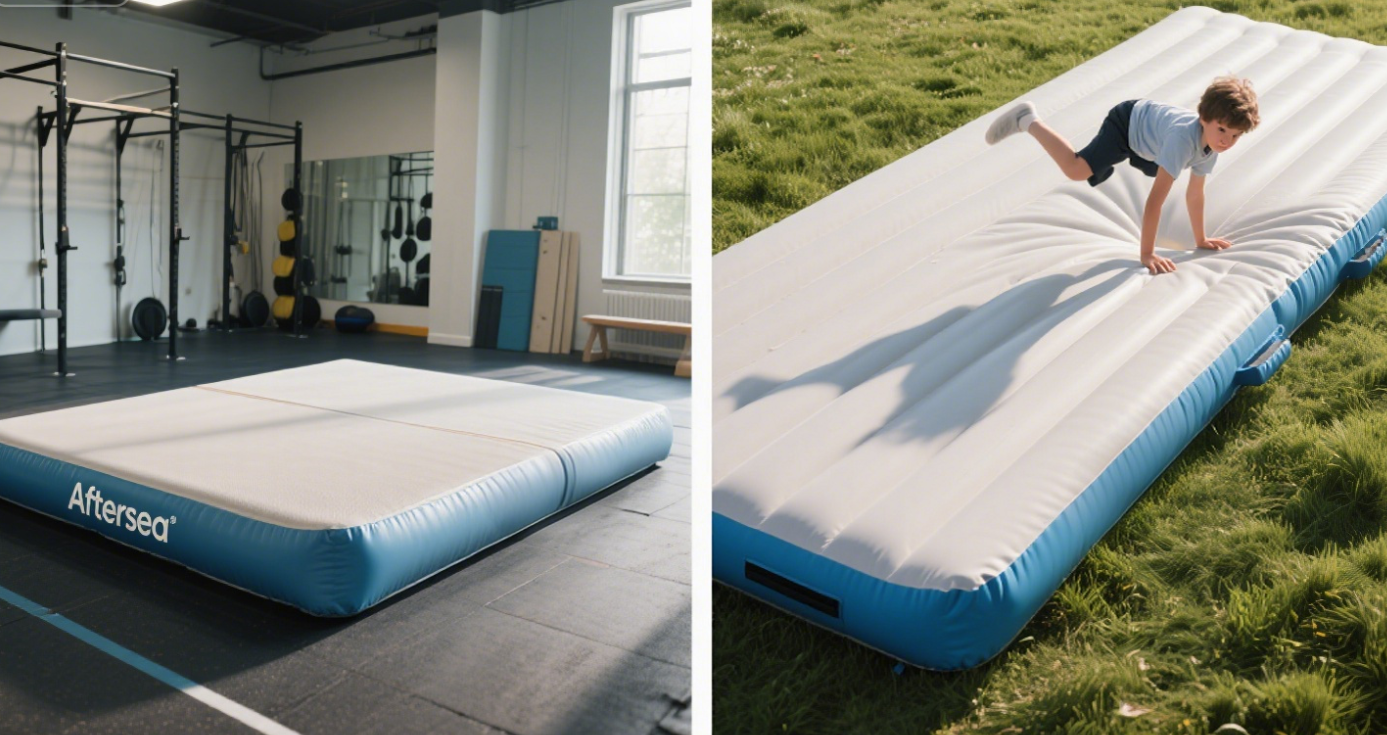
Let’s dive into the most popular inflatable air track types, their pros, cons, and ideal users.
Design: 10-15cm thickness, basic non-slip surface, rounded edges, ~15-20kg weight.
Best For: Beginners, kids, or casual users practicing front rolls, cartwheels, or balance drills.
Ideal Users: Home trainers, small gyms on a budget, youth recreational teams.
| Pros | Cons |
|---|---|
| Affordable ($150-$300) | Not durable for daily use |
| Easy to fold/store | No UV/water resistance |
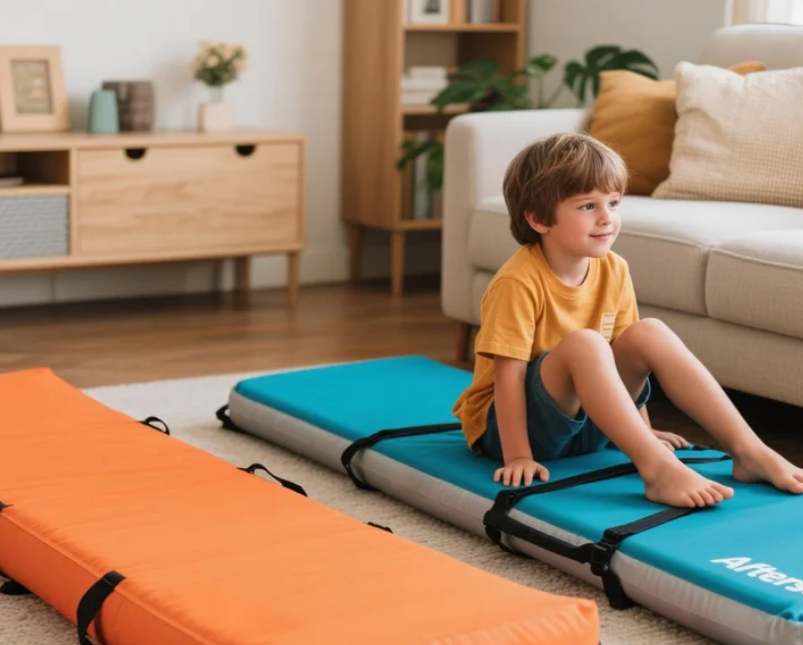
Design: 12-18cm thickness, 800D+ PVC with UV/water-repellent coating, reinforced valves (dust-proof).
Best For: Outdoor training (backyards, parks, summer camps) with weather exposure.
Ideal Users: Outdoor gymnastics clubs, coaches running mobile sessions, families with active kids.
| Key Features | Why It Matters |
|---|---|
| Mold-resistant material | Prevents mildew in humid climates |
| Heavy-duty bottom grip | Stays stable on grass/cement |
Design: 15-20cm thickness, 1000D+ PVC, dual-stitched edges, pressure-sensor valves.
Best For: Competitive gymnasts or teams practicing advanced tricks (backflips, side flips, or landing drills).
Ideal Users: Sports schools, pro teams, premium gyms with competitive clients.
| Certifications | Performance Data |
|---|---|
| EN71 (EU safety) | Withstands 10,000+ impacts |
| SGS (non-toxic) | 95% shock absorption rate |
Design: 1-2m interlocking sections (connect via Velcro/buckles), 12-18cm thickness.
Best For: Customizing track length (3-6m) for variable routines (short for flips, long for sprints).
Ideal Users: Multi-sport gyms, traveling coaches, or facilities with limited space.
Don’t get stuck with a track that doesn’t fit your needs. Here’s what to prioritize:
Here’s the content formatted into a clean, SEO-friendly table:
| Parameter | Key Details |
|---|---|
| Thickness | - 10-15cm: For entry-level skills (rolls, cartwheels) - 15-20cm: For pro-level tricks (flips, landings) |
| Material Quality | - Opt for 800D+ PVC (durable for daily use) or 1000D+ PVC (pro-grade) - UV/water coatings are critical for outdoor tracks |
| Size | - Length: 2-4m for basic routines; 4-6m for advanced skills - Width: 1-2m (wider tracks reduce edge falls) |
| Safety Certifications | - EN71: Ensures non-toxic materials (critical for kids) - SGS: Validates structural integrity |
| Extras | - Portable pumps: Fast inflation (10-15 minutes) - Repair kits: Patches for small punctures |
| Mistake | Issue | Solution |
|---|---|---|
| “Thicker = Better” | Thickness alone isn’t enough—low air pressure makes thick tracks feel “soft,” reducing stability. | Follow the manufacturer’s recommended PSI for optimal firmness and support. |
| Skipping Outdoor Certifications | Cheap outdoor tracks fade, crack, or mold within months due to poor weather resistance. | Invest in UV/water-resistant models (e.g., 800D PVC with TPU coating). |
| Ignoring After-Sales Support | Tracks with no warranty or replacement parts cost more long-term (e.g., $200 track vs. $300 track with 2-year warranty). | Prioritize brands with 2-3 year warranties and accessible replacement parts. |
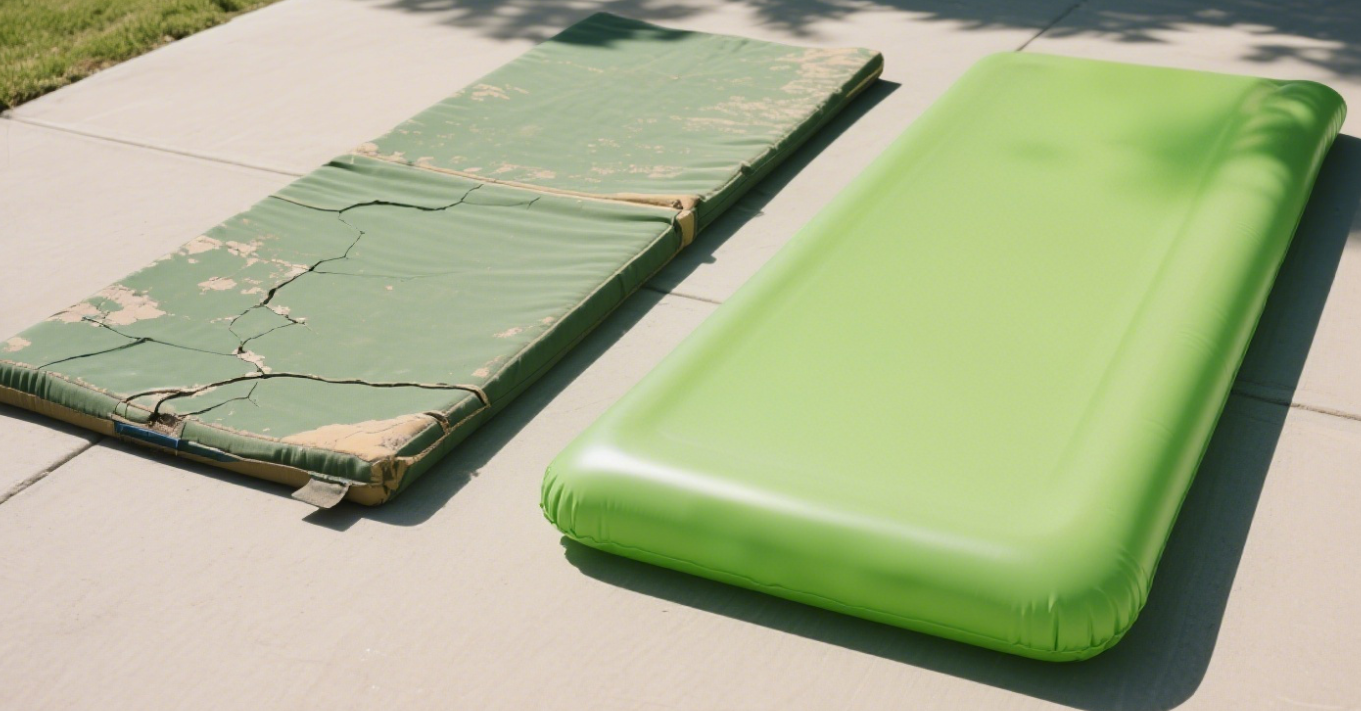
Inflatable air tracks are game-changers for gymnastics and tumbling—but only if you pick the right type. Whether you need a lightweight indoor track for your kid’s backyard practice, a pro-grade model for your team’s flips, or a modular setup for flexible training, this guide has you covered.
Remember: Focus on use case (indoor vs. outdoor), training intensity (beginner vs. pro), and key specs (thickness, material, certifications). By aligning these factors, you’ll invest in an inflatable air track that boosts performance, safety, and durability.
Final Tip: Before buying, test a model in-person or read verified user reviews. Real-world feedback beats specs alone!


![What Is an Air Track in Gymnastics? [Complete Guide]](http://ueeshop.ly200-cdn.com/u_file/UPBF/UPBF509/2605/13/photo/WhatIsanAirTrackinGymnastics.png)


