WELCOME TO OUR BLOG

We're sharing knowledge in the areas which fascinate us the most
click

Inflatable vs. Traditional Gymnastics Mats: Safety, Alternatives & Pricing

By Gracie June 29th, 2025 673 views
Catalog

Introduction: Why Gymnastics Mats Matter

Whether you’re training at home, coaching kids, or prepping for a competition, your mat isn’t just a floor cover—it’s your safety net. But with terms like “air mat,” “tumbling mat,” and “gymnastics mat” thrown around, confusion abounds. In this guide, we answer every burning question: Are inflatable mats safe? What’s the right term? Can you use alternatives? Why do some mats cost a fortune? And—most importantly—is an air mat better than a traditional one?

Table of Contents

  1. Gymnastics Mats 101: Names, Types, and Key Features
  2. Safety First: Are Inflatable Gymnastics Mats Safe?
  3. No Mat? No Problem: Practical Alternatives to Gymnastics Mats
  4. The Price Puzzle: Why Are Tumbling Mats So Expensive?
  5. Air Mat vs. Traditional Mat: Which Is Better for You?

1. Gymnastics Mats 101: Names, Types, and Key Features

1.1 Common Names Decoded

First, let’s clarify terminology:

  • Gymnastics mat: A broad term for any mat used in gymnastics, including foam, rubber, or inflatable options.
  • Tumbling mat: A specialized, extra-long mat (often 4–10m) designed for flips, rolls, and high-impact routines.
  • Air mat/Airtrack: A portable, inflatable mat filled with air, known for its springy surface.

1.2 Core Types Explained

Mats fall into two main categories:

Type Material Key Features
Traditional Mats Foam, rubber Dense, non-inflatable, ideal for heavy use (e.g., gyms).
Inflatable Mats PVC/TPU (with air chambers) Lightweight, portable, and springy—great for home or travel.

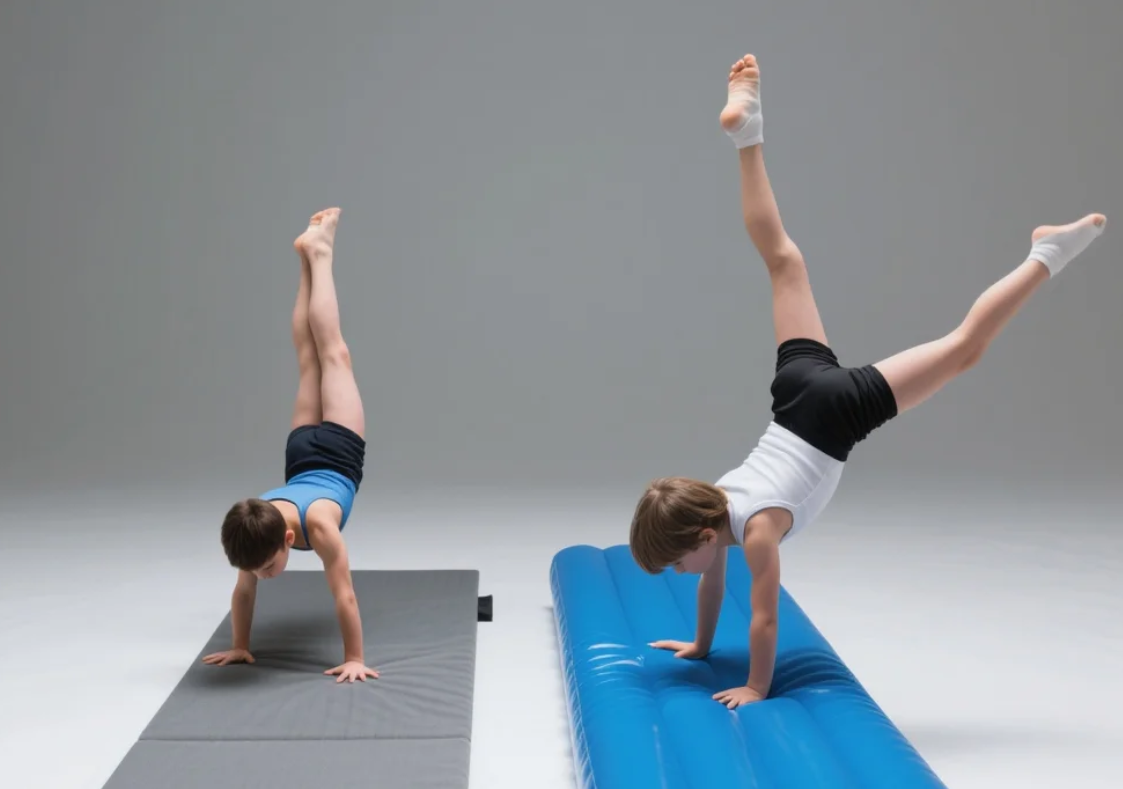
Traditional foam gymnastics mat vs inflatable air mat comparison

2. Safety First: Are Inflatable Gymnastics Mats Safe?

2.1 Why Inflatable Mats Work for Safety

Inflatable mats excel in safety due to:

  • Air absorption: Chambers distribute impact evenly, reducing joint strain.
  • Even pressure: High-quality models (e.g., TPU) maintain pressure for weeks, avoiding “dead spots.”
  • Lightweight design: Less risk of tripping compared to heavy foam mats.

2.2 When Do Risks Arise?

Risks are rare but possible with:

  • Under-inflation: Low pressure reduces support (common user error).
  • Low-quality materials: Cheap PVC may puncture easily; opt for TPU or composite mats.
  • Misuse: Using a small air mat for full flips (match size to activity).

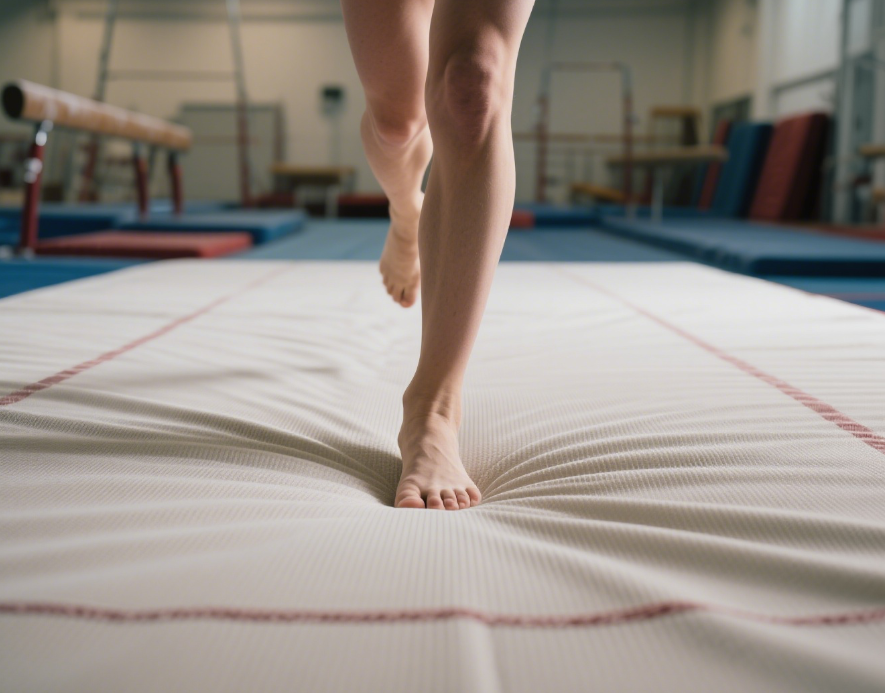
Gymnast safely landing on inflatable air mat

3. No Mat? No Problem: Practical Alternatives to Gymnastics Mats

If you’re short on budget or mats, here are viable alternatives—with tradeoffs:

Alternative Cushioning Portability Cost
Yoga Mats Low (thin foam) High (lightweight) $10–$50
Foam Puzzle Tiles Moderate (interlocking) Medium (easy to assemble) $5–$15 per tile
Carpet + Rug Pad Low (soft but not impact-resistant) Low (fixed) $20–$100
Martial Arts Crash Mats High (dense foam) Low (heavy) $50–$200

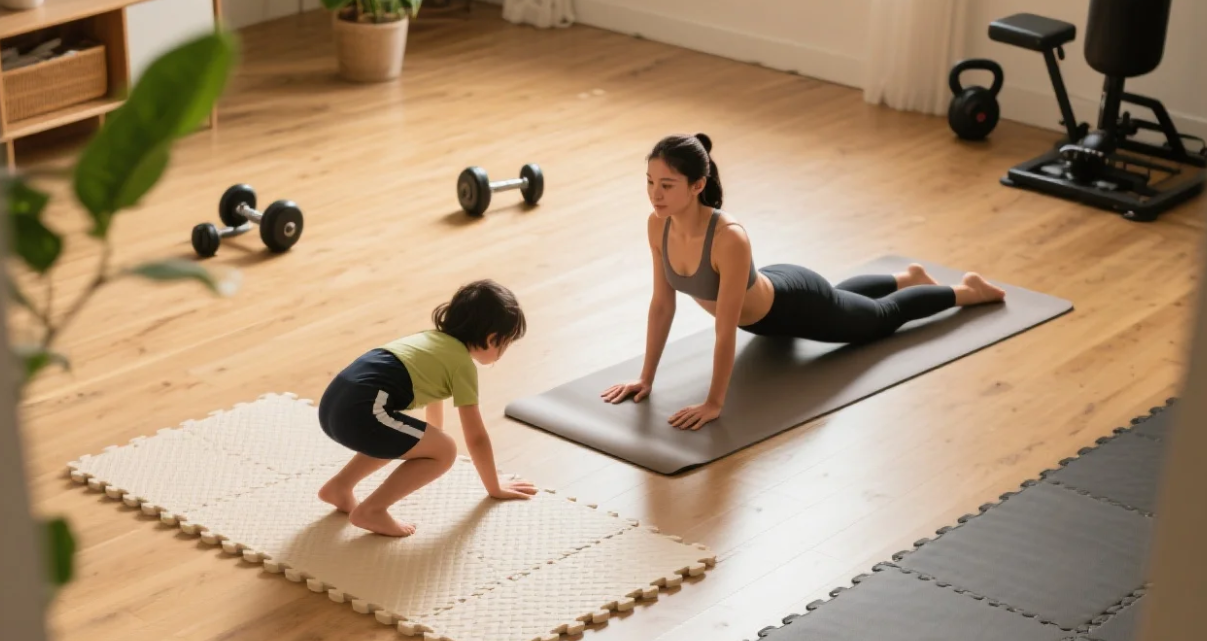
Gymnastics mat alternatives in use

4. The Price Puzzle: Why Are Tumbling Mats So Expensive?

Tumbling mats often cost $150–$500+ due to:

4.1 Material Costs

  • High-density foam: Required for tumbling mats to withstand repeated impacts.
  • Industrial-grade materials: TPU/PVC for inflatable mats (puncture-resistant and waterproof).

4.2 Engineering & Certifications

  • Multi-chamber design: Precision manufacturing ensures even pressure.
  • Safety certifications: ASTM, EN 13814, or CE testing adds production costs.

4.3 Brand Premiums

Top brands (e.g., Tumbl Trak, Airtrack) invest in R&D, warranties, and durability—justifying higher prices.
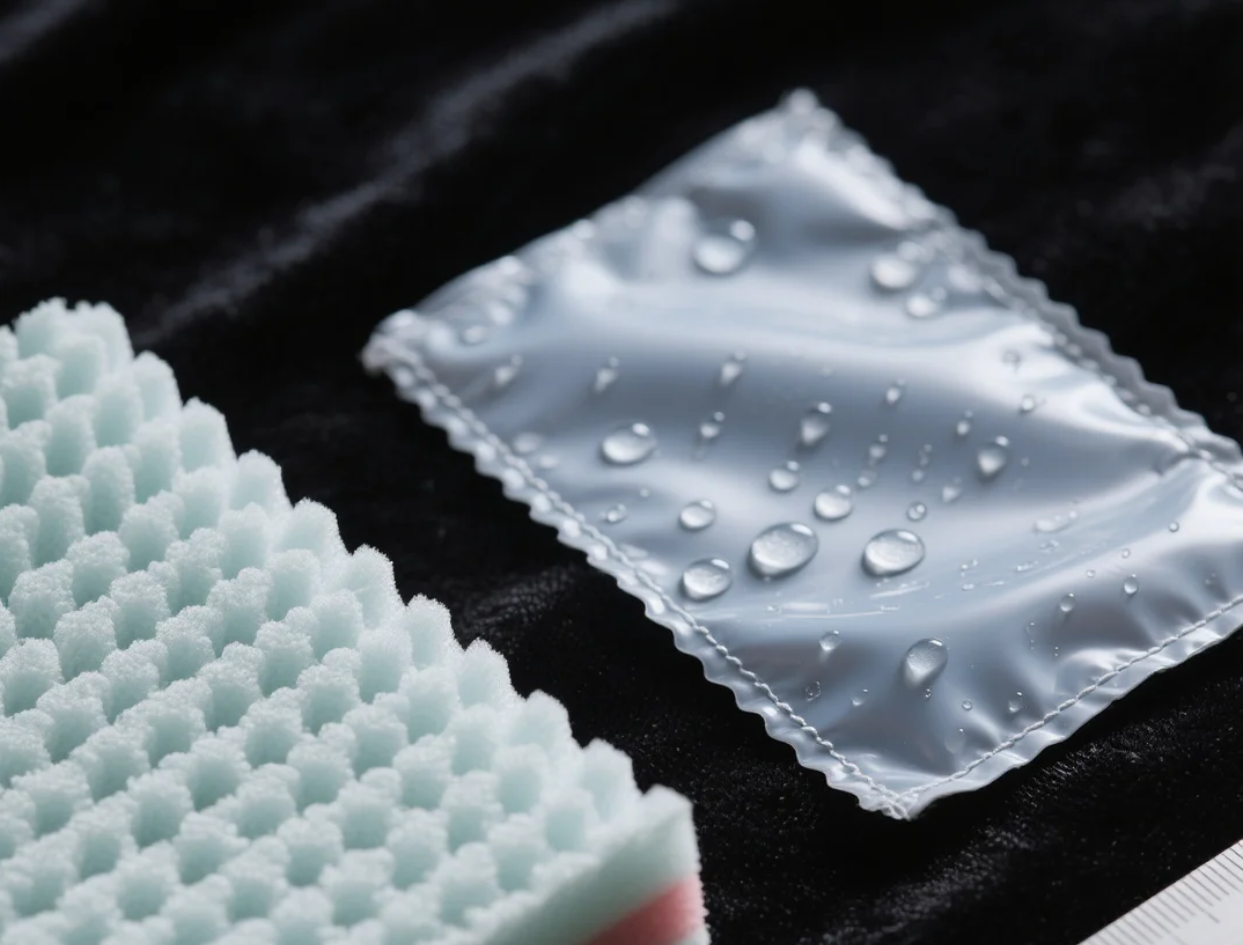
High-density foam and TPU material

5. Air Mat vs. Traditional Mat: Which Is Better for You?

Factor Air Mat Traditional Mat
Portability Light, deflates to small size Heavy, bulky (hard to move)
Cushioning Superior (air absorbs impact) Good (foam/rubber)
Durability Moderate (risk of punctures) High (resists tears/scratches)
Cost Mid-range ($150–$400) Budget to premium ($50–$500+)
Best For Home use, travel, kids, yoga Gyms, professional training, heavy use

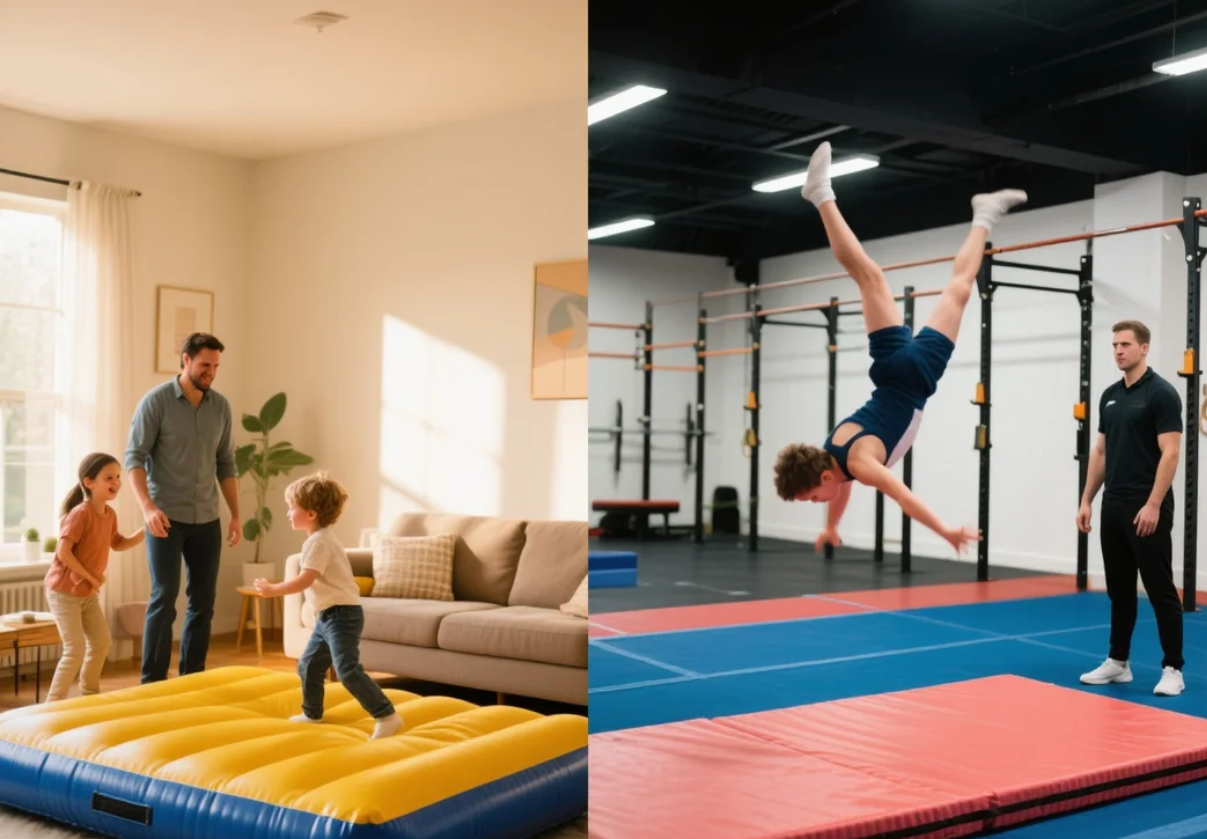
Air mat in home living room vs. traditional mat in professional gym

Conclusion: Mat Wisdom for Every Athlete

Choosing the right gymnastics mat comes down to your needs: Inflatable mats are safe when used correctly, ideal for portability and home training. Traditional mats dominate in durability and high-impact settings. Alternatives exist but sacrifice cushioning, while tumbling mats’ price reflects quality and engineering. Whether you’re a child learning cartwheels or a pro mastering flips, the perfect mat will boost safety, skill, and enjoyment. Invest wisely—and train safely!

Airtrack Size & Type Guide: How to Choose the Perfect Inflatable Training Mat,Aftersea
Previous
Airtrack Size & Type Guide: How to Choose the Perfect Inflatable Training Mat
Read More
Inflatable Air Tracks vs. Traditional Gym Mats: Which is Better for Gymnastics Training?,Aftersea
Next
Inflatable Air Tracks vs. Traditional Gym Mats: Which is Better for Gymnastics Training?
Read More

CONTACT US

If you have any queries, get in touch today! Don't hesitate. We try to take the extra step for our customer satisfaction.
CONTACT US
Name*
Email*
Message*
CAPTCHA*
Verification Code
We use Cookie to improve your online experience. By continuing browsing this website, we assume you agree our use of Cookie.