For B2B buyers, the initial low cost of cheap Air Tracks or air tracks under $100 is a deceptive metric. These products often lead to higher long-term expenses due to frequent replacements, safety liabilities, and poor performance that can damage your business reputation and bottom line. This guide explains why investing in quality, and often customized, solutions is the only financially sound decision for professional use.
Table of Content:
The Allure and the Reality: Why We're Talking About Cheap Air Tracks
The True Cost of Business: Unpacking the Risks of Air Tracks Under $100
Beyond Price: The 5 Non-Negotiable Criteria for B2B Air Track Purchases
The Quality Investment: How Premium Air Tracks Protect and Grow Your Business
Your Strategic Advantage: The Power to Customize Air Tracks for Your Clientele
A B2B Buyer's Checklist: How to Vet Suppliers and Make a Smart Investment
I understand the pressure you're under. As a B2B buyer, you're tasked with sourcing equipment that balances cost-efficiency with performance, all while managing budgets and stakeholder expectations. When you see air tracks under $100, the appeal is undeniable—the potential for higher margins or lower initial project costs is a powerful lure. I've seen many businesses be tempted by this siren call.
However, let me be direct: this initial saving is often the most expensive mistake you can make. In the B2B world, where equipment faces rigorous daily use, "cheap" rarely translates to "cost-effective." It translates to compromise. It means compromising on the safety of the users, the consistency of your service, and ultimately, the financial health of your operation. This guide isn't just about products; it's about procurement strategy. We're going to move beyond the price tag and examine the total cost of ownership, because your business deserves equipment that performs as reliably as your business does.
Let's move from the general warning to the specific, quantifiable risks that keep professional buyers like you up at night. When you source cheap Air Tracks, you aren't just buying a product; you are inheriting a set of operational liabilities that directly impact your bottom line and reputation. Here’s a breakdown of the real costs hidden behind that enticingly low price point.
A product's cost must be measured over its entire lifespan, not just at the point of purchase. Air tracks under $100 are typically constructed with inferior PVC or vinyl blends and poorly welded seams. In a commercial setting—be it a gym, a school, or a training facility—this translates to a dramatically shortened lifespan. Where a commercial-grade air track should last for years under heavy use, a cheap alternative may fail within months, or even weeks.
Consider the math: buying one $800 air track that lasts five years is far more economical than buying five $100 air tracks in the same period. But the financial hit is only part of the problem. The operational downtime—having to remove a defective product, process a return, wait for a replacement, and disappoint your clients—is a silent profit killer that no business can afford.
This is, without question, the most critical risk. As a B2B buyer, you are responsible for the safety of the end-users. Low-cost air tracks are notorious for inconsistent air pressure retention, unstable surfaces, and vulnerable seams that can burst under stress. A sudden deflation during a complex gymnastic move or a tumbling pass can lead to serious injury.
The resulting liability falls squarely on your business. The cost of a single insurance claim, legal fee, or reputational damage from a safety incident would eclipse any initial savings from buying cheap equipment a hundred times over. Investing in quality is, first and foremost, a non-negotiable risk management strategy.
Professional athletes and coaches demand consistency. They need a surface with reliable firmness, predictable bounce, and a uniform feel across every panel. Cheap air tracks cannot deliver this. They often suffer from poor air distribution, creating soft spots and firm spots that disrupt training and can even lead to the development of poor technique.
When your equipment fails to meet professional standards, you are not just providing a subpar product; you are actively hindering your clients' progress. This erodes trust and gives them a compelling reason to take their business to a competitor who invests in professional-grade equipment.
In the next section, we will shift from identifying the problems to defining the solution. We will outline the five non-negotiable criteria you must use to evaluate any B2B air track supplier.
Now that we've laid bare the significant risks, it's time to reframe your entire procurement strategy. For a B2B buyer, the initial purchase price is just one data point in a much larger equation. Your primary goal is to secure assets that deliver uninterrupted service, ensure user safety, and reinforce your brand's commitment to quality. To achieve this, you must evaluate every potential supplier against these five non-negotiable criteria.
Forget marketing fluff; you need hard facts about materials. Ask specific questions:
Fabric: Is it high-grade, reinforced PVC-virgin tarpaulin, or a cheap, recycled blend? The former offers superior tear resistance and longevity.
Thickness: What is the actual thickness of the material (e.g., 0.55mm, 0.65mm)? Thicker generally denotes greater durability.
Welding Technology: Are the seams high-frequency welded or simply heat-sealed? High-frequency welding creates a bond as strong as the material itself, drastically reducing the risk of seam splits under pressure. This is a fundamental differentiator between commercial and consumer-grade products.
A supplier's word is not enough. You need independent verification. Demand to see documentation that proves compliance with international safety standards. These certifications are your first line of defense against liability claims. They indicate that the product has been tested for factors like material non-toxicity, structural integrity, and burst pressure. Sourcing products without these verifiable certificates is an unacceptable risk for any serious business.
Your clients expect a professional training experience every single time. This requires technical consistency. Scrutinize the product's specifications for:
Air Retention: How well does it hold pressure over 24-48 hours? Consistent firmness is critical for safety and performance.
Weight Capacity and Uniform Load Distribution: Does it provide a stable, uniform surface across its entire area, even under dynamic, high-impact use?
Puncture Resistance: What is the material's resistance to abrasion and punctures? Request test data if available.
The warranty offered is a direct reflection of the supplier's confidence in their product. A 2-year commercial warranty is vastly different from a 90-day consumer warranty. More importantly, you need to evaluate the supplier's support structure. Are they a factory-direct partner who can provide technical support and handle logistics for large orders? Or are they a faceless distributor? When a problem arises—and in business, they do—you need a reliable partner, not just a vendor.
Your business is unique, and your equipment should be too. The ability to customize air tracks is not a luxury; it's a strategic advantage. Can the supplier accommodate orders for non-standard sizes, specific thicknesses, or unique shapes to fit your facility layout? Can you add your logo or brand colors? This level of flexibility allows you to create tailored solutions for your clientele and opens up new revenue streams, moving you from a mere reseller to a specialized solution provider.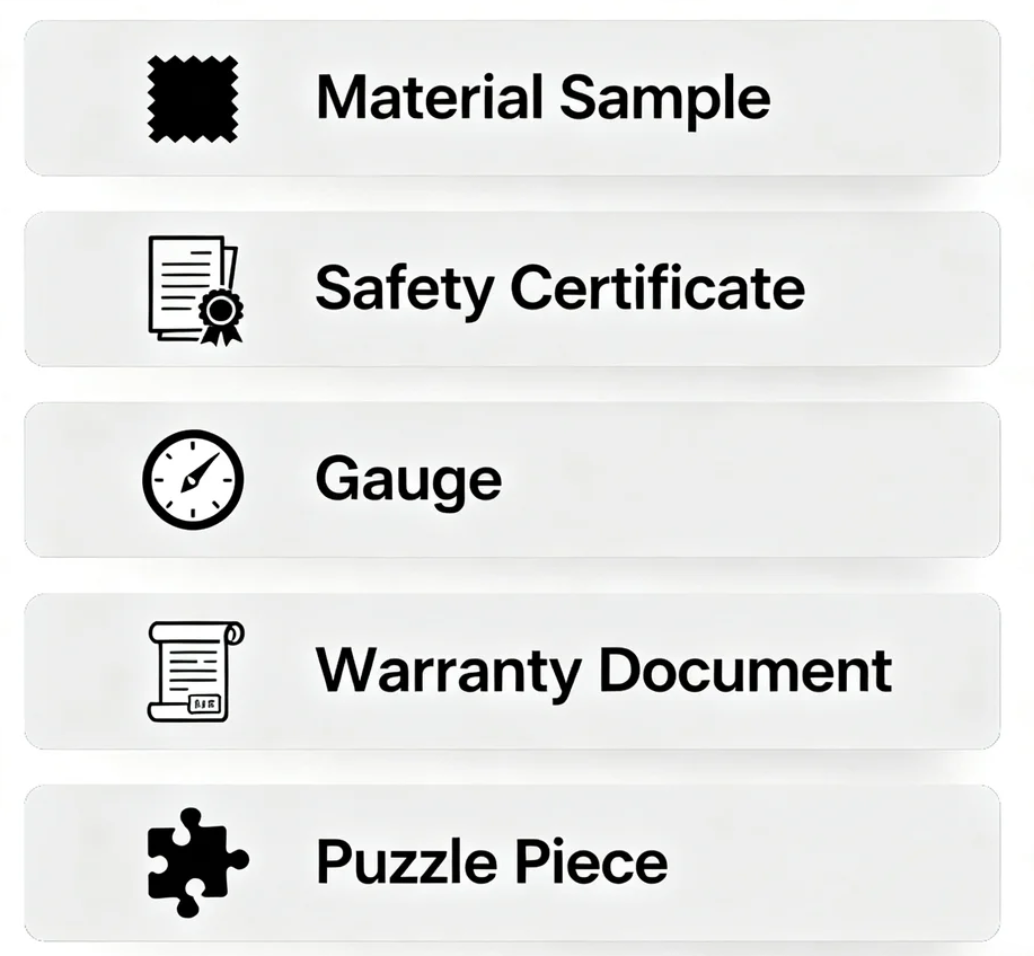
Shifting your perspective from "purchase price" to "total cost of ownership" is the fundamental leap that defines a strategic B2B buyer. Investing in premium, professionally-specified air tracks isn't an expense; it's a capital investment that actively protects your assets and creates tangible growth opportunities. Let's translate the criteria we just discussed into direct business benefits.
Every time a client uses your facility or equipment, they are forming an opinion about your brand. A premium air track delivers a consistent, high-performance experience that tells your clients you are serious about their safety and progress. This builds immense trust and loyalty, turning one-time users into long-term advocates. Conversely, a failed, unstable, or poorly performing product directly damages your hard-earned reputation. In the age of online reviews, one viral post about a gym's "cheap, dangerous equipment" can undo years of marketing investment. Quality equipment is, therefore, a core component of your brand management strategy.
Let's make the financial argument undeniable. The Total Cost of Ownership includes the initial purchase price plus all associated costs over the product's lifetime. For a cheap Air Track, the TCO is astronomically high due to:
Replacement Costs: Buying 3 or 4 units over the same period a single premium unit would last.
Operational Downtime: The revenue lost when a facility bay is closed for repairs or replacement.
Maintenance Labor: The staff time required to constantly inspect, patch, and inflate subpar equipment.
Admin Costs: The logistical headache of processing multiple returns and warranty claims.
A premium air track, with its higher initial cost but vastly longer lifespan and near-zero failure rate, presents a dramatically lower TCO. This isn't a cost; it's a smart financial saving realized over time.
Think of your premium equipment as a risk mitigation tool. By eliminating the safety hazards associated with cheap alternatives, you directly reduce your exposure to costly liability claims and insurance premiums. This creates a stable, secure foundation upon which to grow your business. You can confidently host higher-level classes, attract serious athletes, and partner with schools or organizations that have stringent equipment safety requirements. This strategic freedom is something you simply cannot have when you're constantly worrying about whether your equipment will fail.
In a competitive market, differentiation is everything. While moving away from cheap Air Tracks to reliable commercial-grade products is your first strategic win, the next step is to leverage those quality products into a unique market position. This is where the true power of partnership with a capable manufacturer comes into play. It's the difference between selling a product and providing a tailored solution.
When you have the ability to customize air tracks, you move beyond the limitations of a one-size-fits-all catalog. You gain the flexibility to solve specific problems for your clients and create offerings that competitors simply cannot match. Consider these scenarios:
A training facility needs a unique, non-standard size to perfectly fit an awkward space in their gym, maximizing their floor plan.
A university wants their logo and colors embedded into the track for brand cohesion and pride at their sporting events.
A startup recreational center requires specific thickness variations across different tracks to cater to both toddlers and advanced tumblers safely.
These are not hypotheticals; they are real business opportunities that standard, off-the-shelf products cannot address. By offering tailored solutions, you are no longer just a equipment vendor; you become an integral partner in your clients' success. This builds incredibly strong customer loyalty and allows you to command premium pricing, because you are providing unique value that cannot be found elsewhere.
This level of collaboration requires a supplier that is more than a factory; it requires a partner who listens to your business needs and possesses the technical capability to execute them. It's about finding a source that doesn't just sell you a product, but helps you build your business.
By now, the case for moving beyond cheap Air Tracks is clear. But understanding the "why" is only half the battle. The "how" is where your procurement expertise turns insight into action. This checklist is designed to be your practical guide for vetting suppliers and making a confident, defensible investment decision that aligns with your business objectives.
Go beyond the sales sheet. Demand technical documentation.
Request Material Data Sheets: Verify the type, grade, and thickness of the PVC/Vinyl used.
Ask for Proof of Welding: Inquire about the welding technology (high-frequency is superior) and request close-up photos or video of the seam quality.
Clarify Safety Certifications: Ask for copies of specific safety certificates (e.g., CE, SGS, ASTM) and ensure they are relevant to your market.
You are entering a partnership, not just making a one-off purchase.
Verify Manufacturing Capabilities: Are they a factory or a trading company? Request evidence of their production facility and capacity to handle your volume.
Request B2B Case Studies: Ask for examples of previous business clients, especially those in your industry or with similar order sizes.
Evaluate Communication: Is their response time professional? Do they understand and answer your technical questions thoroughly? This is a key indicator of future support.
The true test of a partnership is in the details of the deal.
Review the Warranty Thoroughly: What exactly is covered? What is the process for making a claim? A clear, robust warranty is a sign of quality.
Understand Lead Times and Logistics: Can they meet your deadline? Who is responsible for shipping, insurance, and customs for international orders?
Discuss Scalability and MOQs: Ensure their Minimum Order Quantity aligns with your needs and that they can scale production up or down as your business demands.
Before committing to a large volume, validate their claims.
Order a Sample Unit: Physically test the product in your own facility. Put it through its paces, checking for air retention, stability, and overall feel.
Test Their Customization Capability: If customization is a future need, initiate a small, simple custom order (e.g., a specific size) to gauge their flexibility and execution before placing a major order.
Following this structured approach transforms you from a passive price-shopper into an expert procurement manager. It minimizes risk and ensures that the supplier you choose is capable of delivering not just a product, but a long-term business solution.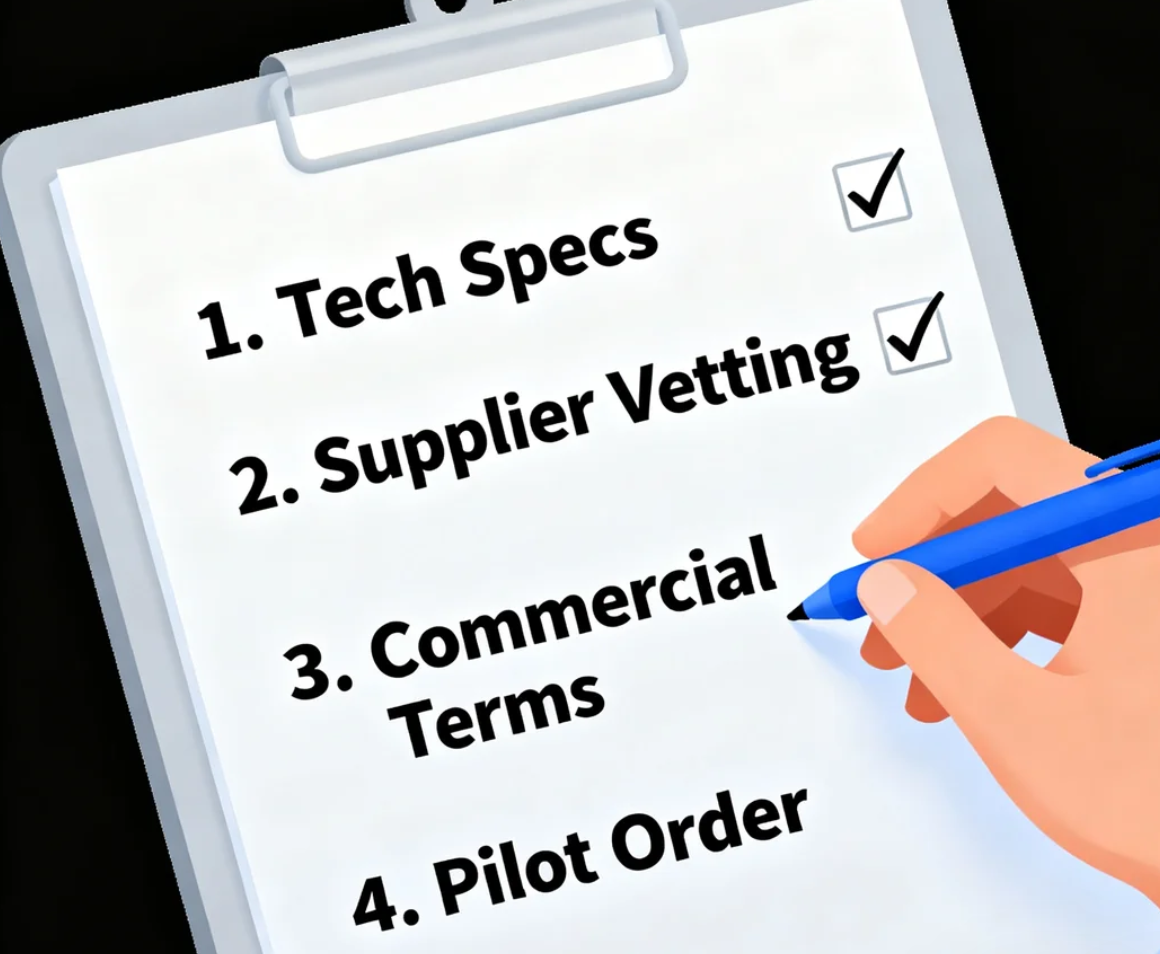
The allure of a low price tag is simple and immediate, but as a B2B professional, your role is to navigate complexity and secure long-term value. Choosing cheap Air Tracks or focusing solely on finding air tracks under $100 is a strategy that ultimately costs more—in replacements, in liability, and in lost client trust.
The path to a smarter, more profitable procurement strategy is clear. It requires a fundamental shift from evaluating price to valuing performance, safety, and partnership. By prioritizing quality construction, verifiable safety standards, and supplier reliability, you are not just buying equipment; you are investing in the uninterrupted operation and esteemed reputation of your business. You are building a foundation of quality that your clients can feel and trust.
Do not let a short-term saving undermine your long-term success. Make the strategic decision that protects your bottom line and propels your business forward.
Ready to move beyond the risks of cheap alternatives? Let's discuss a bulk order of commercial-grade air tracks tailored to your specific business needs. Contact our B2B team today for a customized quote and technical specifications.
Q1: What is the typical lifespan of a cheap Air Track versus a commercial-grade one?
A: A typical cheap Air Track under $100 may last anywhere from a few months to a year under light, infrequent use. In a commercial setting with daily use, failure can occur much sooner. A properly manufactured commercial-grade air track, however, is built to withstand rigorous daily use and can typically last 3-5 years or more, offering a significantly lower total cost of ownership.
Q2: Are there specific safety certifications I should look for when buying air tracks in bulk?
A: Absolutely. For B2B purchases, you should prioritize suppliers that can provide verifiable certifications like CE (for the European market, indicating health, safety, and environmental protection) or reports from international testing bodies like SGS or ASTM. These documents prove the product has been independently tested for material safety, structural integrity, and performance under stress.
Q3: How does customization impact the lead time and cost for a large order?
A: Customization, such as specific sizes, thicknesses, or branded logos, requires additional production planning and setup, which can moderately increase both lead time and unit cost. However, this investment is directly tied to creating a unique product that can command a higher market price and secure client loyalty. A reliable supplier will provide a clear timeline and cost breakdown upfront for your review.
Q4: Can you provide technical data sheets for your air tracks for our procurement team's review?
A: Yes, of course. We provide comprehensive technical data sheets for all our commercial-grade air tracks to all serious B2B inquiries. These documents include detailed material specifications, weight capacities, load distribution tests, and safety certification information to ensure your procurement team can make a fully informed decision. Please reach out to us to request these documents.


