Inflatable dock platforms are versatile, portable, and cost-effective solutions for water operations. Learn how to select the right inflatable dock platform from reliable China manufacturers and suppliers to meet your business needs efficiently.
Introduction: Why Inflatable Dock Platforms Matter for B2B Buyers
Top Features to Look for in a Reliable Inflatable Dock Platform China Supplier
Case Studies: Successful Inflatable Dock Platform Deployments
Inflatable dock platforms have become essential solutions for businesses requiring flexible, efficient, and cost-effective waterborne operations. Unlike traditional rigid docks, these platforms are lightweight, portable, and can be quickly deployed or relocated, making them ideal for commercial shipping companies, resorts, marinas, and emergency response teams.
For B2B buyers, the focus is on long-term value, operational efficiency, and reliability. Choosing the right inflatable dock platform from a trusted China manufacturer or supplier can significantly reduce costs while enhancing safety and performance. By understanding the key features, applications, and sourcing options, procurement managers can make informed decisions that streamline operations and improve ROI.
Key Takeaways for B2B Buyers:
Inflatable dock platforms reduce setup time and transportation costs.
They provide versatile solutions across multiple industries.
Sourcing from reputable China suppliers ensures quality, scalability, and after-sales support.
This section not only sets the stage for why inflatable docks matter but also directly addresses the practical concerns of B2B buyers, ensuring immediate relevance and search intent alignment.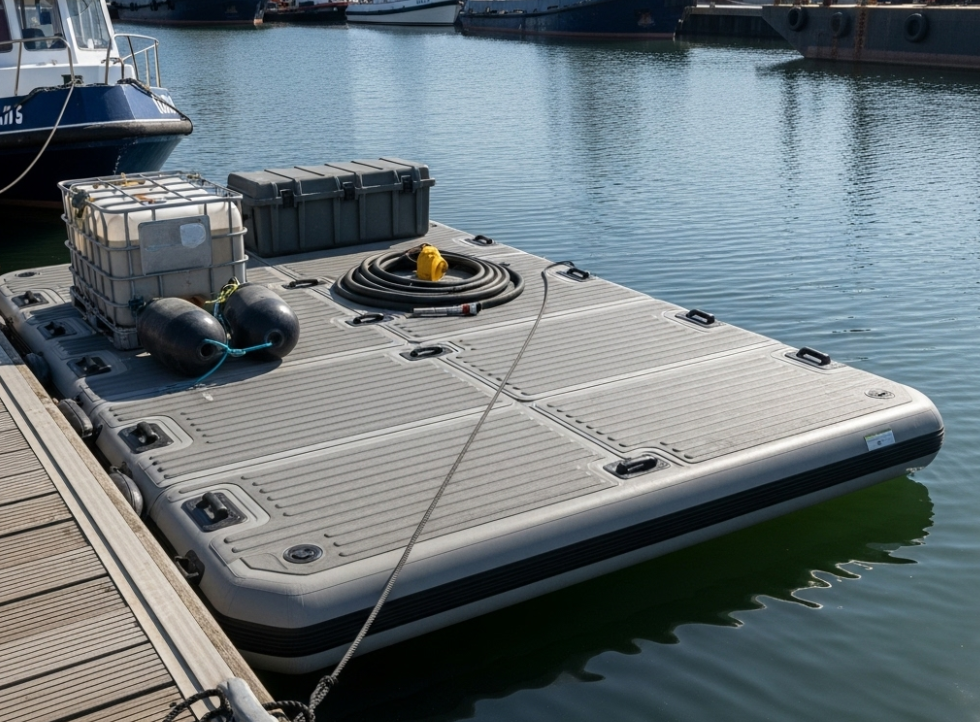
Inflatable dock platforms are engineered floating structures designed to support weight, provide stability, and withstand various water conditions. For B2B buyers, understanding the technical specifications and materials is crucial to ensure the dock platform meets commercial requirements.
Key Features of Inflatable Dock Platforms:
Materials: High-strength PVC or TPU fabric, often with double-layer reinforcement for durability and UV resistance.
Design: Modular or single-unit designs with rounded edges for safety; some include interlocking systems for extended configurations.
Portability: Lightweight and easy to transport; can be deflated and packed into compact storage bags.
Inflation/Deflation: Quick setup and teardown, often with high-capacity air pumps.
Load Capacity: Varies by size and material; industrial-grade platforms support heavy equipment and multiple personnel.
Performance Benchmarks for Commercial Use:
Resistance to punctures, abrasions, and UV degradation.
Stability under dynamic loads (moving equipment or cargo).
Adaptability to different water conditions—lakes, rivers, or calm coastal areas.
Why These Features Matter to B2B Buyers:
Understanding the technical aspects allows procurement teams to select inflatable dock platforms that maximize operational efficiency, reduce maintenance costs, and ensure safety compliance. Choosing the right specifications upfront can prevent costly replacements and downtime.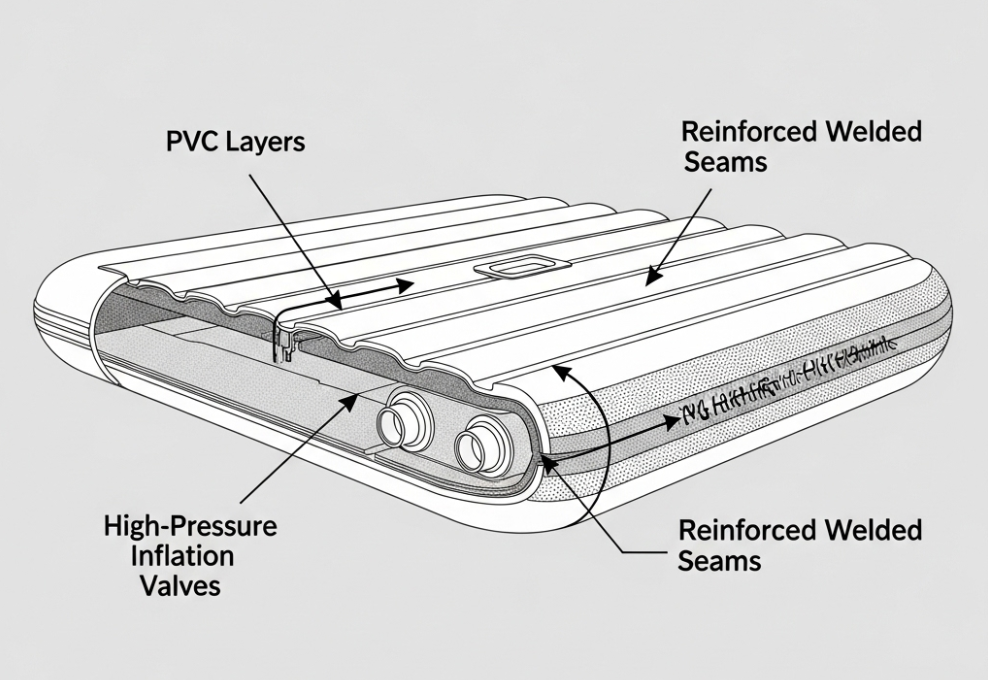
Inflatable dock platforms serve a wide range of commercial and industrial applications, making them highly attractive for B2B buyers looking for versatile waterborne solutions. Their adaptability and cost-effectiveness are key drivers for businesses to invest in these platforms.
Commercial Shipping and Cargo Handling:
Used for temporary loading/unloading zones in ports and marinas.
Supports moderate to heavy cargo, reducing the need for permanent dock construction.
Ideal for seasonal operations where permanent infrastructure is impractical.
Recreational Boating and Resorts:
Provides stable floating platforms for boat mooring, swimming areas, and leisure activities.
Can be customized with branding, colors, or modular layouts to enhance guest experience.
Easy deployment for seasonal tourist destinations.
Emergency Response and Military Operations:
Serves as rapid-deployment platforms for rescue operations, flood relief, and disaster recovery.
Lightweight and portable, allowing fast transportation and setup in critical situations.
Durable and reliable under extreme environmental conditions.
Why This Matters to B2B Buyers:
B2B clients prioritize platforms that can deliver multi-industry value. Understanding these use cases helps procurement teams evaluate ROI, operational flexibility, and potential long-term benefits. By selecting a platform that meets multiple operational needs, businesses can reduce costs and simplify supply chain management.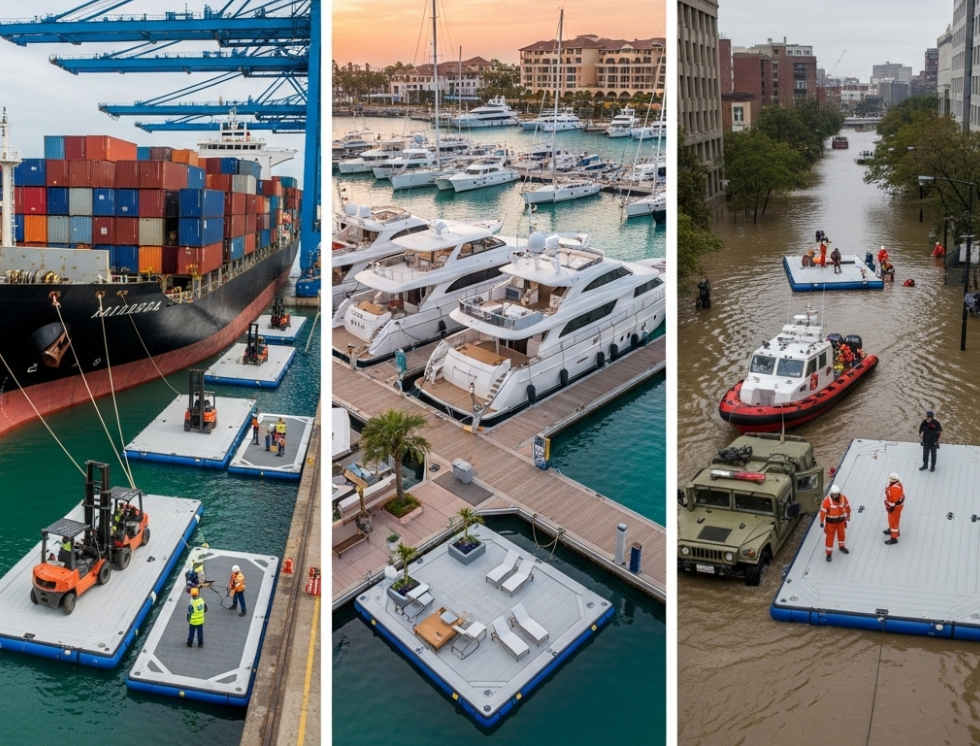
Selecting the right inflatable dock platform is critical for B2B buyers to ensure operational efficiency, safety, and long-term value. A systematic evaluation helps businesses make informed decisions when sourcing from China manufacturers or suppliers.
Step-by-Step Evaluation Process:
| Step | Key Considerations | Why It Matters for B2B Buyers |
|---|---|---|
| 1. Determine Load Requirements | Assess the maximum weight the dock needs to support, including equipment, vehicles, or personnel. | Ensures the platform can handle commercial operations without safety risks. |
| 2. Evaluate Materials & Durability | Check for high-quality PVC/TPU fabrics with UV and abrasion resistance. | Reduces maintenance costs and extends product lifespan. |
| 3. Assess Size & Configuration | Decide between modular or single-unit designs based on waterway space and operational needs. | Optimizes dock layout and future scalability. |
| 4. Check Inflation/Deflation Efficiency | Review pump compatibility and setup time. | Minimizes labor costs and improves operational efficiency. |
| 5. Review Safety Features | Consider non-slip surfaces, rounded edges, and load stability. | Critical for workplace safety and compliance standards. |
| 6. Supplier Verification | Confirm manufacturer certifications, production capacity, and past B2B client references. | Ensures reliability, consistent quality, and after-sales support. |
Why This Process Matters:
For B2B buyers, a structured evaluation reduces procurement risks and ensures the platform aligns with operational demands. Selecting the right supplier from China also guarantees that quality, delivery timelines, and post-sales service meet commercial expectations.
China has become a global hub for inflatable dock platforms, offering unmatched manufacturing capacity, competitive pricing, and advanced production technologies. For B2B buyers, sourcing from China manufacturers can unlock significant operational advantages.
Advantages of Sourcing from China:
Cost-Effectiveness: Competitive labor and material costs lower the per-unit price, especially for bulk orders.
Scalability: Large-scale production ensures availability for high-volume orders, reducing lead times.
Technological Expertise: Experienced manufacturers offer durable, high-performance platforms meeting international standards.
Customization Capabilities: Easy access to modular designs, branding options, and size variations.
Key Considerations for B2B Buyers:
Supplier Verification: Confirm ISO, CE, or other relevant certifications.
Track Record: Review client references and case studies to ensure consistent quality.
Communication and Responsiveness: Efficient communication reduces errors and ensures timelines are met.
After-Sales Support: Warranty policies and repair services are critical for minimizing operational downtime.
Why This Matters:
Sourcing from a reputable China manufacturer allows B2B buyers to balance cost efficiency with high-quality standards. The right partner not only supplies the product but also supports long-term operational success.
When sourcing inflatable dock platforms for commercial use, B2B buyers must prioritize supplier reliability and product quality. A trustworthy China supplier ensures that your investment meets operational requirements, safety standards, and long-term durability.
Key Features of a Reliable Supplier:
Quality Certifications: ISO, CE, or other relevant certifications demonstrate adherence to international manufacturing standards.
Material Expertise: Suppliers who understand PVC/TPU fabrics, reinforcement techniques, and UV resistance can deliver more durable products.
Production Capacity: Ability to handle large-volume orders without compromising quality.
Customization Services: Options for branding, colors, modular sizes, and accessories.
After-Sales Support: Warranty, repair services, and responsive communication to address issues promptly.
Industry Experience: Case studies and references from other B2B clients indicate reliability and expertise.
Typical Weight Capacities & Material Options
| Platform Size | Material | Max Load Capacity | Recommended Use |
|---|---|---|---|
| 3m x 3m | Single-layer PVC | 500 kg | Small boats, personal use |
| 5m x 5m | Double-layer PVC | 1,200 kg | Medium cargo, marina docks |
| 8m x 8m | Double-layer TPU | 2,500 kg | Heavy equipment, commercial shipping |
| Modular 10m+ | Multi-layer TPU | 5,000+ kg | Industrial operations, large-scale marinas |
Why This Matters for B2B Buyers:
Understanding supplier capabilities and product specifications ensures your dock platforms meet operational demands, safety requirements, and long-term durability. This reduces risk and maximizes ROI for bulk procurement.
For B2B buyers, customization is a key factor in maximizing the value and functionality of inflatable dock platforms. Tailored solutions not only meet operational requirements but also enhance brand visibility and user experience.
Key Customization Options:
Branding and Colors:
Logos, corporate colors, and decals can be applied to the platform.
Useful for resorts, marinas, and corporate facilities to reinforce brand identity.
Size and Modular Configurations:
Platforms can be designed in different lengths, widths, and modular units to fit specific waterway dimensions.
Modular designs allow flexible deployment and scalability for growing operations.
Accessories and Add-Ons:
Safety features: non-slip surfaces, guard rails, ladders.
Functional enhancements: ramps, docking cleats, or connectors for multiple platforms.
Why Customization Matters for B2B Buyers:
Customization ensures that the dock platform fits precise operational needs while reflecting the company’s brand image. This reduces the need for additional retrofitting or modifications after delivery, saving time and operational costs.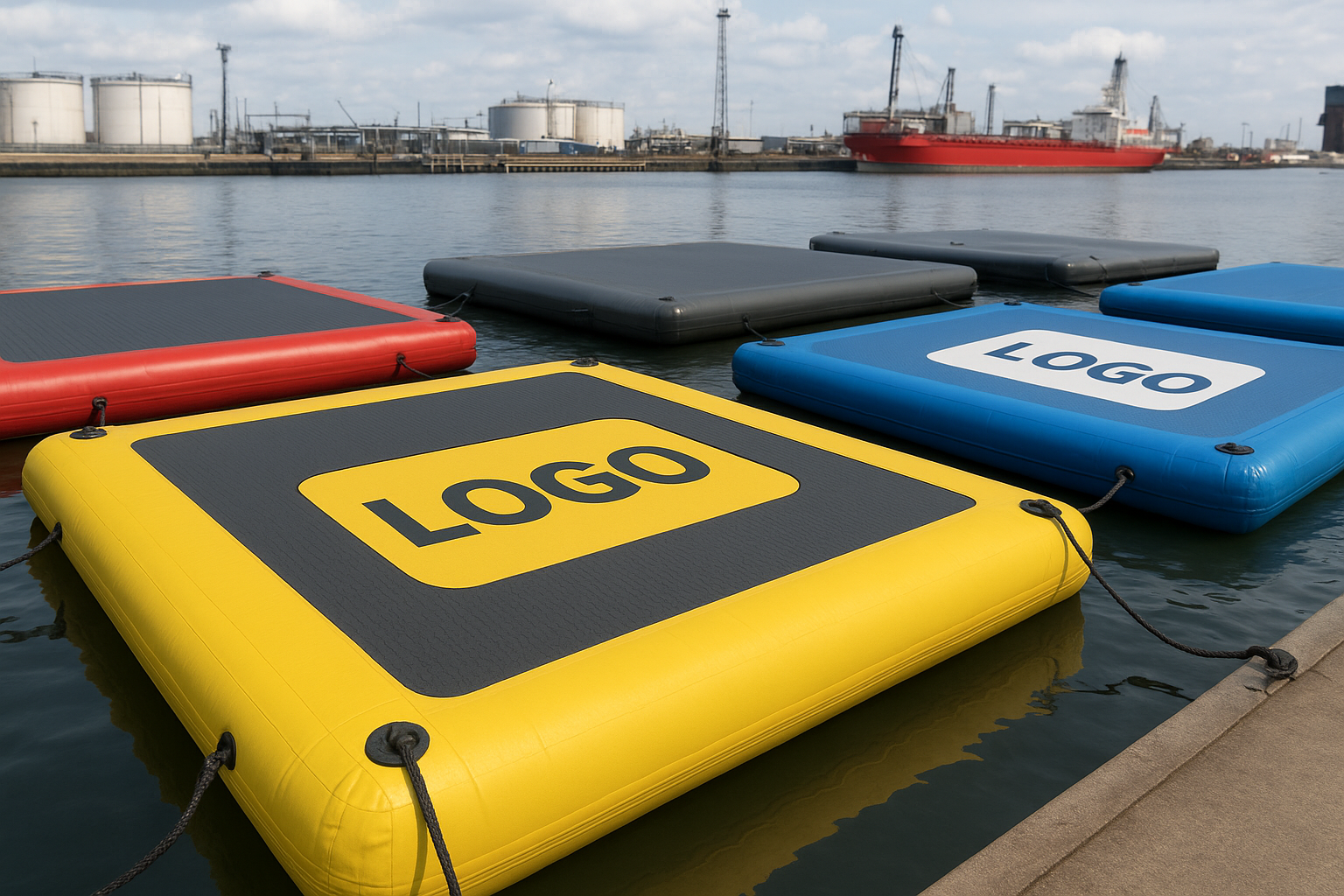
Pricing and Minimum Order Quantity (MOQ) are critical factors when sourcing inflatable dock platforms for commercial purposes. B2B buyers must understand how costs are structured and how to optimize orders for long-term value.
Key Pricing Factors:
Material and Build Quality: High-strength PVC/TPU, reinforced seams, and modular design increase durability but may raise costs.
Size and Load Capacity: Larger platforms or those designed for heavy loads command higher prices.
Customization: Branding, colors, and accessories add to the final cost.
Shipping and Logistics: Transportation fees, packaging, and import duties should be included in total cost calculations.
MOQ Considerations:
Suppliers often set MOQs to optimize production efficiency and reduce costs per unit.
B2B buyers can negotiate MOQs based on long-term contracts or repeat orders.
Ordering above MOQ can unlock volume discounts, further reducing unit costs.
Tips for B2B Buyers:
Compare multiple suppliers to ensure competitive pricing without compromising quality.
Factor in total landed cost (product + shipping + duties) rather than just unit price.
Discuss flexible MOQs and potential discounts for recurring or bulk purchases.
Why This Matters:
A clear understanding of pricing and MOQ allows procurement managers to plan budgets accurately, negotiate effectively, and maximize ROI on large-scale purchases.
Efficient logistics and shipping are crucial for B2B buyers to ensure inflatable dock platforms arrive on time, in perfect condition, and ready for deployment. Partnering with experienced China suppliers can simplify this process and minimize operational disruptions.
Key Considerations for Shipping and Delivery:
Packaging Standards: Platforms are usually deflated, rolled, and packed in heavy-duty bags or crates to prevent damage during transit.
Shipping Methods: Air freight for urgent orders, sea freight for bulk shipments. Lead times vary based on size, quantity, and destination.
Customs and Import Requirements: Ensure all documentation, including invoices, certificates of origin, and compliance documents, is accurate to avoid delays.
On-Site Handling: Platforms are lightweight and modular, facilitating quick unloading and deployment.
Anchoring & Transport Methods
| Method | Description | Recommended Use |
|---|---|---|
| Rope & Cleat System | Simple rope attachments to dock cleats or bollards | Small to medium docks in calm waters |
| Anchor Weights | Weighted anchors at corners to maintain position | Moderate currents and commercial marinas |
| Piling or Stake Anchoring | Securing docks with stakes or pilings into the seabed | Shallow coastal or river operations |
| Modular Linking | Connecting multiple units to create larger floating surfaces | Resorts, industrial operations requiring scalable platforms |
Why This Matters for B2B Buyers:
Understanding logistics, anchoring, and transport methods ensures smooth operations, reduces installation time, and mitigates risks associated with damage or improper setup. Proper planning strengthens supply chain efficiency and overall ROI.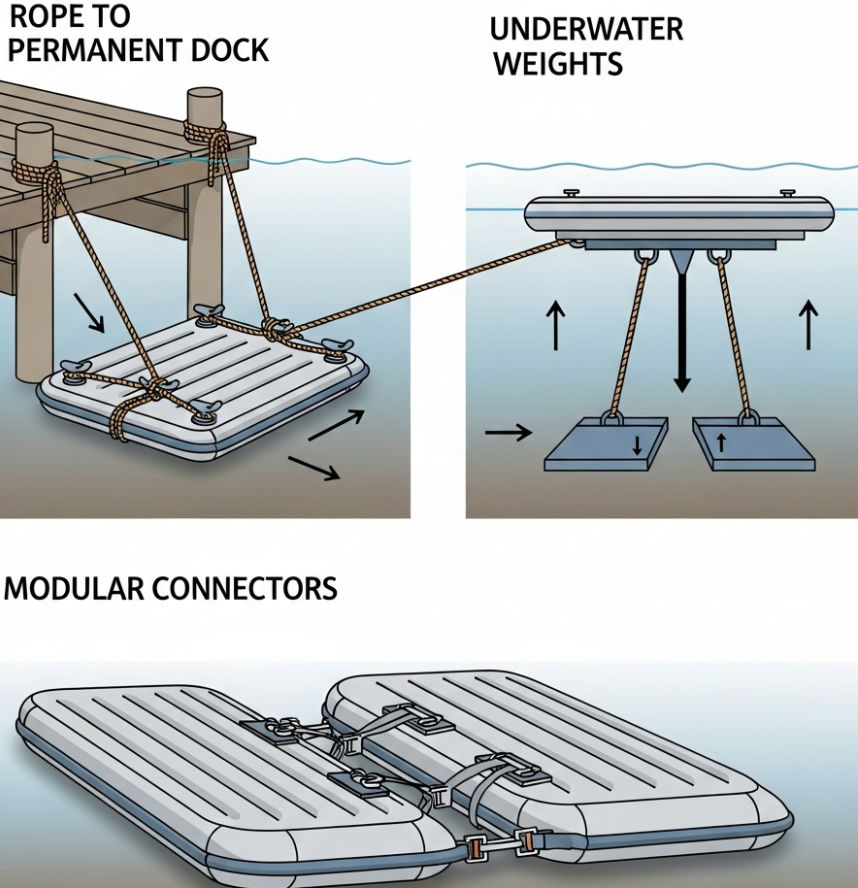
Proper maintenance and adherence to safety standards are critical for maximizing the lifespan and performance of inflatable dock platforms. B2B buyers must ensure that their investment remains reliable, safe, and cost-effective over time.
Maintenance Tips:
Regular Cleaning: Use mild soap and water to remove dirt, salt, or debris after each use. Avoid harsh chemicals that may degrade PVC/TPU materials.
Inspection: Check for punctures, seam integrity, and valve functionality before and after deployment.
Proper Storage: Deflate and store in a cool, dry environment away from direct sunlight to prevent material fatigue.
Repair: Keep a repair kit on hand for quick patching of minor punctures or leaks.
Safety Guidelines:
Weight Limits: Always adhere to manufacturer-recommended load capacities.
Stable Installation: Use appropriate anchoring methods based on water conditions and dock size.
Personnel Training: Ensure staff are trained in safe handling, setup, and emergency procedures.
Compliance: Verify the dock platform meets international safety standards (ISO, CE).
Longevity Considerations:
High-quality materials and regular upkeep can extend platform life beyond 5–10 years, depending on usage and environmental conditions.
Investing in durable, certified platforms reduces replacement frequency and long-term operational costs.
Why This Matters for B2B Buyers:
Proper maintenance and safety practices not only protect employees and assets but also safeguard the ROI of large-scale dock platform purchases. Ensuring longevity and compliance strengthens business credibility and operational efficiency.
Real-world case studies provide B2B buyers with concrete examples of how inflatable dock platforms deliver value across different industries. These examples highlight performance, ROI, and operational improvements.
Case Study Summary Table
| Industry | Location | Platform Size & Type | Key Benefits | ROI / Results |
|---|---|---|---|---|
| Commercial Shipping | Shanghai, China | 8m x 8m, Double-layer TPU | Rapid deployment for cargo loading | Reduced loading time by 30%, minimized dock construction costs |
| Resort & Marina | Phuket, Thailand | Modular 5m x 5m units | Enhanced guest experience, modular layout | Increased customer satisfaction, flexible seasonal setup |
| Emergency Response | Florida, USA | 3m x 3m, Single-layer PVC | Quick deployment for flood relief | Deployed within hours, supported 200+ personnel safely |
| Industrial Port | Rotterdam, Netherlands | Modular 10m+ units | Heavy-duty cargo handling | Handled 5,000+ kg loads efficiently, reduced downtime |
| Recreational Boating | Sydney, Australia | 5m x 5m, Double-layer PVC | Safe mooring and docking | High durability, minimal maintenance costs |
Why Case Studies Matter for B2B Buyers:
Demonstrates the platform’s real-world performance and reliability.
Provides measurable results, including operational efficiency and cost savings.
Helps buyers evaluate supplier capabilities and industry experience.
By studying these examples, procurement teams can better understand how inflatable dock platforms can solve specific business challenges and justify investment decisions.
Selecting the right inflatable dock platform is a strategic decision for B2B buyers. By considering operational requirements, supplier reliability, customization options, and logistics, businesses can ensure long-term value and efficiency.
Key Takeaways for B2B Buyers:
Prioritize Quality and Certifications: Ensure platforms meet ISO, CE, or other international standards for durability and safety.
Evaluate Supplier Capabilities: Choose China manufacturers or suppliers with proven production capacity, experience, and strong after-sales support.
Consider Customization: Tailored solutions improve operational fit and reinforce brand identity.
Plan for Logistics and Maintenance: Efficient shipping, proper installation, and regular upkeep maximize lifespan and ROI.
Leverage Case Studies: Learn from real-world deployments to predict performance and operational impact.
By following a structured evaluation process and partnering with reliable China suppliers, B2B buyers can streamline procurement, reduce risks, and achieve measurable business outcomes. Making informed decisions ensures that inflatable dock platforms are not just functional, but strategic assets that enhance operational efficiency and business growth.
1. How long does an inflatable dock platform last?
High-quality platforms made from reinforced PVC or TPU can last 5–10 years with proper maintenance, regular inspections, and correct storage.
2. Can inflatable dock platforms withstand heavy cargo?
Yes. Industrial-grade platforms, especially double-layer TPU or reinforced modular units, are designed to support thousands of kilograms, suitable for commercial shipping and heavy equipment.
3. What certifications should I look for in a China supplier?
Look for ISO, CE, or other international quality certifications. These indicate adherence to manufacturing standards, safety compliance, and reliability.
4. Can platforms be customized for branding purposes?
Absolutely. B2B clients can request custom colors, logos, modular configurations, and accessories to fit operational requirements and reinforce brand identity.
5. How do I ensure reliable delivery and after-sales support?
Work with reputable suppliers with verified production capacity, positive client references, and clear warranty or repair policies. Confirm shipping methods and lead times upfront to avoid delays.
6. Are inflatable dock platforms suitable for all water conditions?
Most platforms are designed for calm lakes, rivers, and coastal areas. For turbulent waters, industrial-grade TPU platforms with robust anchoring systems are recommended.
7. What maintenance is required to prolong platform life?
Regular cleaning, inspections for punctures or leaks, proper deflation and storage, and adherence to weight limits are essential for longevity.


![What Is an Air Track in Gymnastics? [Complete Guide]](http://ueeshop.ly200-cdn.com/u_file/UPBF/UPBF509/2605/13/photo/WhatIsanAirTrackinGymnastics.png)


