When I budget bulk purchases of inflatable mirror balls from China, diameter is the single biggest driver of unit cost. As size increases, I pay for more mirror film and thicker PVC, longer welded seams, additional reinforcement/tether points, and extra QC time to keep the surface smooth and airtight. Costs scale nonlinearly—each size jump adds complexity, not just material.
Practical EXW China price bands I use for planning (typical OEM quality; shipping/taxes excluded):
| Diameter (Deflated) | Typical EXW Unit Price | Common MOQ | Typical Use Case |
|---|---|---|---|
| 40–60 cm | USD 10–30 | 20–50 units | Retail displays, small décor |
| 80–120 cm | USD 35–80 | 10–30 units | Shopping malls, event décor |
| 150–200 cm | USD 90–180 | 5–20 units | Brand activations, exhibitions |
| 250–300 cm | USD 230–500 | 3–10 units | Large venues, stage installations |
| 400 cm+ | Custom quote | Negotiated | Landmark or engineered displays |
Why bigger sizes cost more in practice:
Two procurement tips that save my budget:
If you want a tailored quote on branded or special-finish inflatable mirror balls, share your target diameter, quantity, finish (standard mirror, high-gloss premium, UV-resistant), and deadline. I’ll map the optimal size tier, production calendar, and total landed-cost scenario for your event or roll-out.
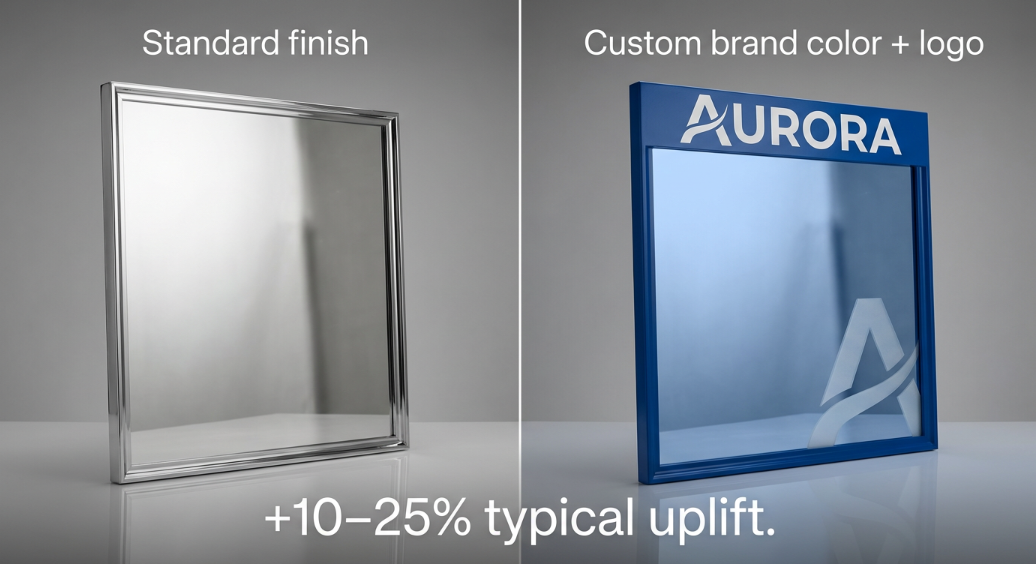
Short answer from my sourcing experience: yes, custom designs do increase the unit price—but usually in a controlled, predictable way 👍. For B2B buyers, the real question isn’t whether customization costs more, but whether the added cost delivers commercial value.
When I import inflatable mirror balls from China, customization typically affects pricing in four main areas: visual design, materials, production setup, and quality control.
First, branding and visual customization. Adding logos, custom colors, or a specific mirror finish (for example, ultra-high gloss or tinted mirror film) usually increases the unit price by 10–25%. This uplift comes from customized mirror film sourcing, extra printing steps, and stricter surface inspection. For buyers using these products in premium events or branded installations, this cost is often justified by stronger visual impact and brand recognition.
Second, structural or size-related customization. Non-standard diameters, reinforced hanging points, or special valve placements require engineering review and sometimes a pre-production sample. This may introduce a one-time setup or sampling cost, especially on first orders. On repeat orders, however, those costs usually disappear, which is why I always look at customization from a long-term procurement perspective, not a one-off purchase.
Third, production efficiency matters more than many buyers realize. Standard mirror balls move quickly through factory workflows. Customized versions slow the line slightly—color matching, logo alignment, and finish consistency all require manual checks. That extra labor is reflected in the price, but it also reduces the risk of inconsistencies that could hurt downstream clients or event partners.
Finally, quality control becomes stricter with custom orders. Factories often extend air-holding tests and surface inspections to protect the customized mirror layer. From my standpoint, this is not a downside—it’s a form of insurance against costly replacements or reputational damage.
If your project depends on differentiation, working with suppliers that specialize in inflatable mirror balls customization is usually the most cost-efficient route. The unit price may be slightly higher, but the brand value, repeatability, and visual consistency often outweigh the incremental cost—especially for B2B buyers planning multiple events or long-term distribution.
In my next section, I’ll break down something many buyers overlook until it’s too late: the hidden fees that can quietly push your landed cost far beyond the quoted unit price.
Yes—material quality can swing the EXW unit price by 15–60%. When I compare quotes for importing inflatable mirror balls, I never judge on price alone; I normalize specs first so I’m comparing like-for-like.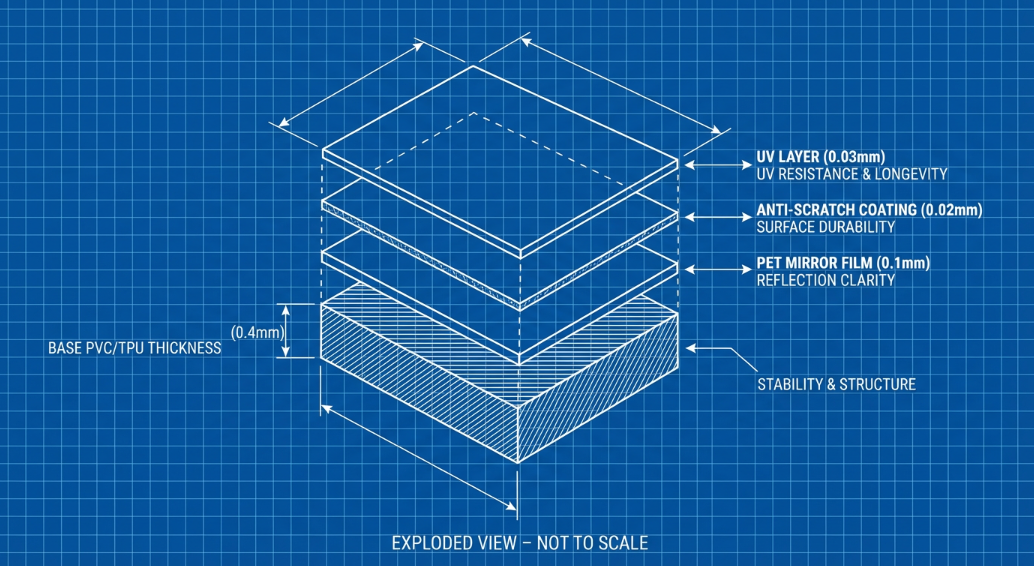
Here’s how material choices drive cost (and reliability):
| Material Factor | Upgrade Description | Typical Cost Impact | Business Value |
|---|---|---|---|
| Base Fabric Thickness | 0.40–0.50 mm vs 0.30 mm | +8–25% | Better stability, fewer creases |
| Mirror Film Grade | Thicker PET, higher reflectivity | +10–35% | Clearer reflection, premium look |
| Protective Coating | Anti-scratch + UV resistance | +5–15% | Longer lifespan, outdoor-ready |
| Seam Construction | Double-lap seams, wider welds | +5–12% | Lower leak risk on large sizes |
| Valves & Hardware | Reinforced valves, D-rings | +USD 1–5/unit | Safer rigging, repeat use |
| Compliance & Testing | REACH/RoHS + 12–24h air-hold | +2–6% | Retail & public venue acceptance |
Real-world price scenarios I use for budgeting (EXW, typical MOQs, shipping/taxes excluded):
Red flags I watch for in unusually low quotes:
How I lock quality without overspending:
If you share size, indoor/outdoor hours, target lifespan, and any compliance needs, I’ll map the optimal spec and price tier so you get premium optics where it matters—and avoid paying for upgrades you don’t need.
This is the part of importing inflatable mirror balls from China that trips up even experienced buyers 😅. The unit price on a quotation looks clean, but the true landed cost is shaped by several line items that often sit outside the headline number. When I evaluate suppliers, I always surface these costs early—before deposit—so my budget doesn’t drift.
Here are the hidden fees I routinely check and how they affect total cost:
| Hidden Cost Item | Typical Range | When It Applies | My Procurement Action |
|---|---|---|---|
| Sampling / Setup | USD 50–300 | First custom order | Offset against bulk PO |
| Packaging Upgrade | USD 2–10 / unit | 150 cm+ sizes | Always upgrade |
| Extended QC | USD 1–5 / unit | Branded / rental use | Mandatory |
| Accessories | USD 20–60 | Electric inflators | Confirm in PI |
| Freight Surcharges | +10–30% | Peak season | Lock near ship date |
| Documents & Compliance | USD 50–150 / order | Retail / customs | Pre-confirm |
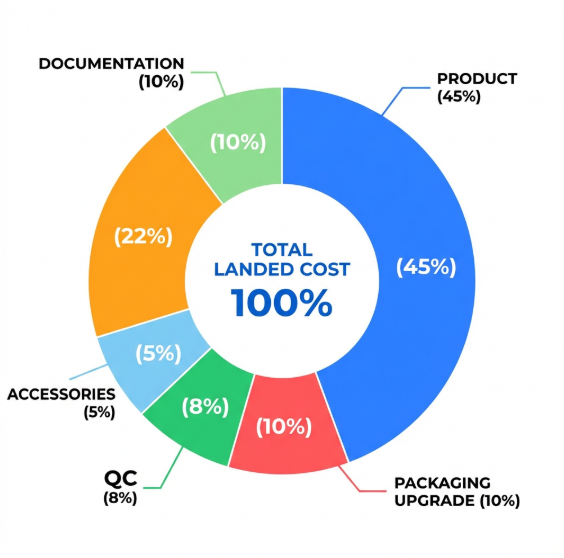
How I keep hidden fees from becoming surprises:
When these fees are visible upfront, pricing becomes predictable—and predictable pricing is what lets me commit to timelines, margins, and client promises with confidence. In the next section, I’ll tie everything together and explain how I balance price versus long-term value when choosing a supplier.
After pricing dozens of projects and suppliers, I’ve learned that the smartest decision is rarely about chasing the lowest unit price. When I import inflatable mirror balls from China, I evaluate price through the lens of total business value—because that’s what protects margins, timelines, and brand credibility over time.
Here’s the framework I actually use when making a final call:
Total landed cost, not EXW alone
I add product price, packaging, QC, accessories, freight volatility, and compliance. A quote that looks cheaper upfront can quickly become more expensive once hidden costs surface.
Spec stability and repeatability
I prioritize suppliers who can reproduce the same mirror finish, weld quality, and material grade batch after batch. Consistency matters more than saving a few dollars on a one-off order—especially for events, rentals, or multi-city rollouts.
Risk-adjusted pricing
Paying slightly more for thicker materials, better coatings, and longer air-holding tests reduces failure risk onsite. For B2B projects, avoiding a single product failure often offsets the entire premium.
Supplier communication and transparency
Clear timelines, honest lead-time updates, and detailed cost breakdowns save me internal coordination time. That operational efficiency has real monetary value.
Long-term partnership potential
If I see repeat orders ahead, I’m willing to accept a fair initial price in exchange for better future terms—priority production slots, stable specs, and faster turnaround during peak seasons.
In practice, the “right” price is the one that lets me deliver on time, on spec, and without surprises. That’s what my clients remember—and that’s what keeps procurement predictable. If you approach pricing with this mindset, importing inflatable mirror balls becomes a controlled, scalable part of your business rather than a sourcing gamble.
| Question | Short Answer |
|---|---|
| Typical MOQ? | 3–50 units depending on size tier |
| Lead time? | 7–12 days (40–120 cm); 10–18 days (150–300 cm); 15–25 days (400 cm+) |
| Are samples refundable? | Often yes, offset against bulk PO |
| Best Incoterm to start? | FOB for clearer control of international freight |
| Shipping impact by sea? | Roughly $1–15 per unit depending on size mix and route |
| Standard warranty? | 6–12 months on materials and seams |
A bit more detail
Send your size mix, desired finish, venue type (indoor/outdoor), and target ship date. I’ll match the right spec tier and production window, then quote a predictable landed cost you can take to stakeholders.


![What Is an Air Track in Gymnastics? [Complete Guide]](http://ueeshop.ly200-cdn.com/u_file/UPBF/UPBF509/2605/13/photo/WhatIsanAirTrackinGymnastics.png)


