The most frequent problems I face when importing inflatable mirror balls from China are slow air leaks due to poor RF welding, surface imperfections like scratches or "orange peel" texture, and shape distortion where the ball is oval rather than round. For professional B2B buyers, these defects often stem from using standard, thin PVC materials that cannot withstand commercial handling or temperature changes during transit. To prevent this, I always mandate a 24-hour inflation test at the factory and specify premium, thickened mirror materials to ensure the product remains durable and visually flawless upon arrival.
Table of Contents
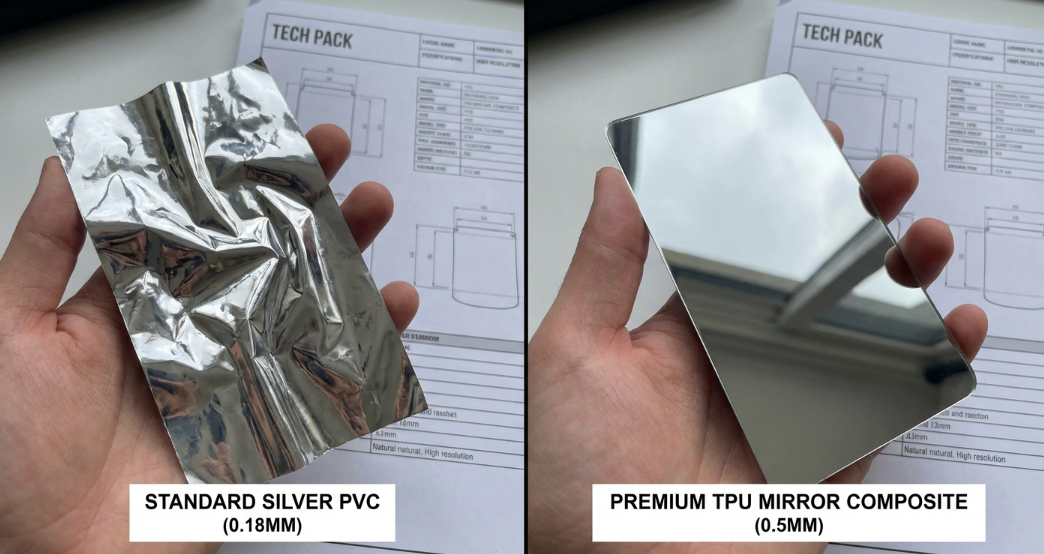
When I work with commercial clients, I emphasize that "standard" quality in China often equates to "toy grade." For a B2B buyer, this is unacceptable. The most effective way to avoid defective inflatable mirror balls from China is to move from buying "off-the-shelf" to a strict "manufacture-to-spec" approach.
Define Your "Tech Pack" Immediately I never rely on the factory's default description. Instead, I define a technical specification sheet (Tech Pack) that dictates the material composition.
The Importance of Customization Many quality issues arise because buyers try to force a generic product to fit a specific professional application. To get the correct material thickness, valve type, and reinforced welding seams necessary for repeated commercial use, I highly recommend that you customize inflatable mirror balls directly with the manufacturer. This allows you to specify the exact tension load the hanging points must bear and ensures the mirror finish is fresh, not stock that has been sitting folded (and creasing) in a warehouse for months.
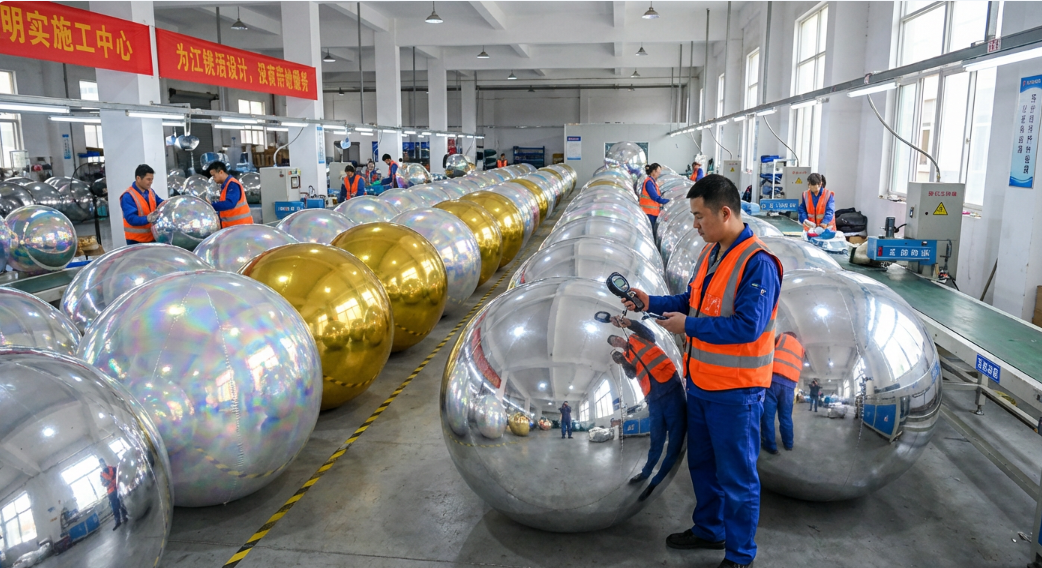
Once production is finished, I never let the goods leave the factory floor without a Pre-Shipment Inspection (PSI). When importing inflatable mirror balls, the following checks are non-negotiable.
The 24-Hour Inflation Test This is the "Golden Rule" of inflatables. I require the factory to inflate every single unit and leave them for 24 hours.
Visual Inspection for "Orange Peel" I inspect the surface reflection under bright light. A high-quality mirror ball should provide a crisp, undistorted reflection. If the surface looks bumpy—like the skin of an orange—it means the lamination process was flawed or the PVC film is of low quality.
Seam and Anchor Point Stress Test I pull on the hanging points (D-rings). These are the highest stress areas. If the welding around the D-ring looks white or shows signs of separation, it will eventually tear under the ball's own weight.
Packaging Verification I check how the balls are folded. They must be folded with a protective tissue layer between the mirror surfaces. If they are folded "mirror-on-mirror" tightly, the finish can bond together in hot shipping containers, peeling off when you unfold them.
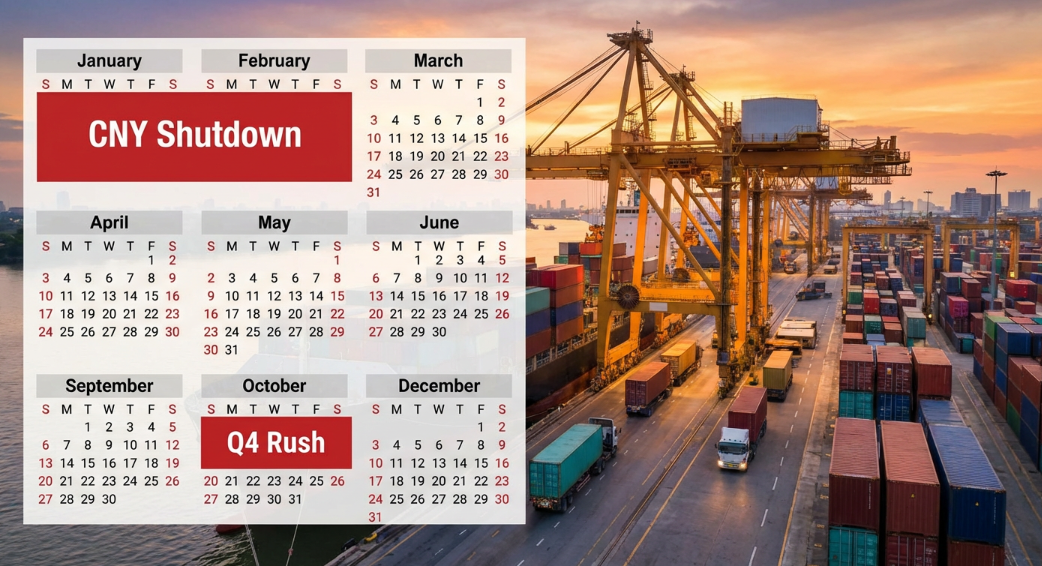
Yes, and in the B2B world, missing an event deadline is not an option. When planning your procurement, you must factor in the specific rhythm of Chinese manufacturing.
The "Golden Week" and CNY Crunch There are two major shutdowns in China:
Raw Material Shortages Sometimes, delays aren't about labor, but materials. High-quality mirror film is a specialized raw material. During peak export seasons (Q3/Q4), domestic demand in China increases, and smaller factories may run out of stock. I always ask the supplier: "Do you have the mirror film in stock, or do you need to order it?" If they need to order it, I add 7–10 days to the lead time.
Logistics Constraints Inflatable mirror balls are voluminous. Even when deflated, large quantities take up significant space. During peak season, air freight rates skyrocket, and sea freight containers get rolled. I always book shipping space at least 14 days in advance to secure the slot.
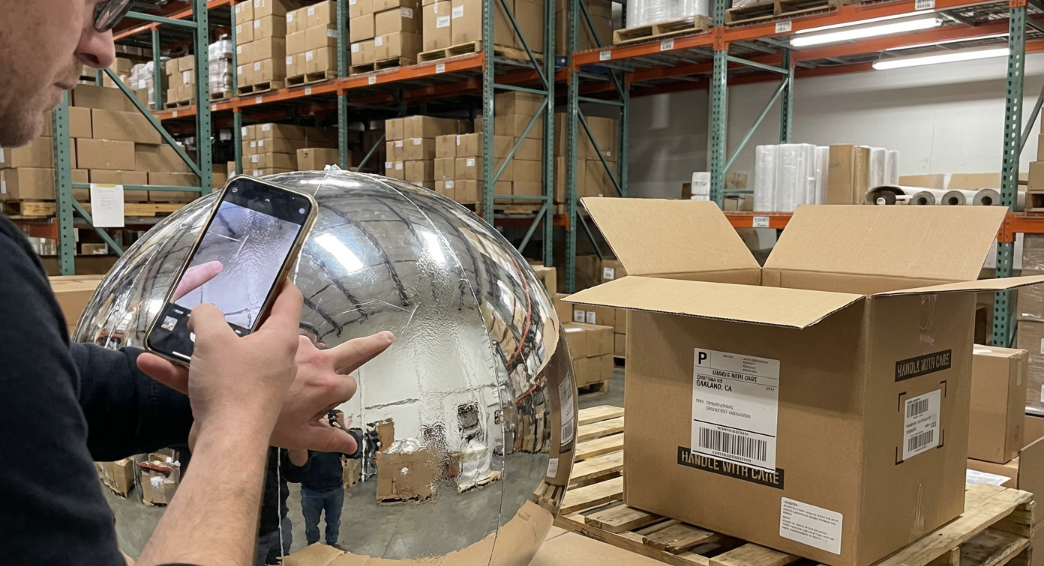
Despite all precautions, damage can happen. How you handle the first 48 hours determines whether you get compensated.
Gather Evidence Immediately I advise my warehouse team to film the unboxing process for any high-value shipment.
Review Your Incoterms
Negotiate the Solution For B2B relationships, I don't usually demand a refund (which is difficult to get out of China). Instead, I negotiate for:
Importing inflatable mirror balls for B2B applications is fundamentally different from buying consumer goods. The success of your purchase depends less on finding the lowest price and more on rigorous technical specifications. By defining a clear Tech Pack, insisting on a 24-hour inflation test, and understanding the logistics risks, you can secure high-impact decor that meets professional standards.
The market is flooded with generic options, but for long-term reliability, the winning strategy is clear: define your specs, control the quality, and always protect your investment with a solid contract.
Q: What is the best material for inflatable mirror balls used outdoors?
A: For outdoor use, I recommend a TPU composite (0.5mm thickness). It resists UV rays better than standard PVC and maintains flexibility in colder temperatures, preventing the mirror finish from cracking.
Q: How do I repair a puncture in a mirror ball?
A: Small punctures can be fixed using a standard PVC/TPU repair kit and vinyl glue. However, if the damage is on the mirror surface itself, the patch will be visible. For B2B rentals, it's often better to replace the unit or use it in areas where the patch is hidden.
Q: What is the typical lifespan of these products?
A: With proper storage (clean, dry, and loosely folded), a commercial-grade mirror ball can last for 2–3 years of repeated event use. Cheaper "single-event" balls often degrade after a few months.
Q: What HS Code should I use for importing inflatable mirror balls?
A: The most common HS code is 9506.99 (Articles for sports/general physical exercise) or 3926.90 (Other articles of plastics), depending on your country's specific classification for display inflatables. Always check with your customs broker.
Q: Can I print my logo on a mirror ball?
A: Yes, but it requires screen printing before the ball is welded. This is another reason why you must customize the order rather than buying ready-made stock.


![What Is an Air Track in Gymnastics? [Complete Guide]](http://ueeshop.ly200-cdn.com/u_file/UPBF/UPBF509/2605/13/photo/WhatIsanAirTrackinGymnastics.png)


